
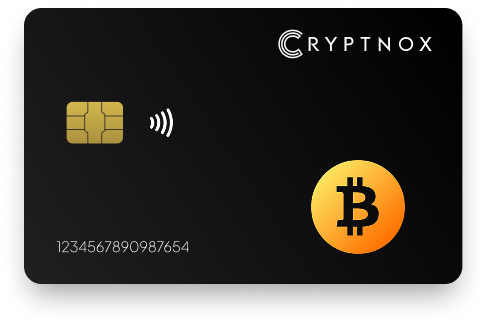
Secure Your Digital Assets with Confidence
Experience next-level protection for your digital assets with a premium hardware wallet built for security-first users
Designed around advanced encryption and a dedicated secure chip, it delivers robust offline storage while supporting a wide range of digital assets and ecosystems
The streamlined setup lets you get started in minutes, giving you access to true cold storage, reliable backup options, and full control over your assets
Engineered for performance and peace of mind, this hardware wallet is a trusted solution for anyone seeking long-term security beyond online threats
Buy it from CRYPTNOX shop directly
Accepts:

Preferred shopping solution for US:

Also available on other Amazon shops:
DE, FR, IT, BE, SE, ES, PL, NL, CA, MX, AU
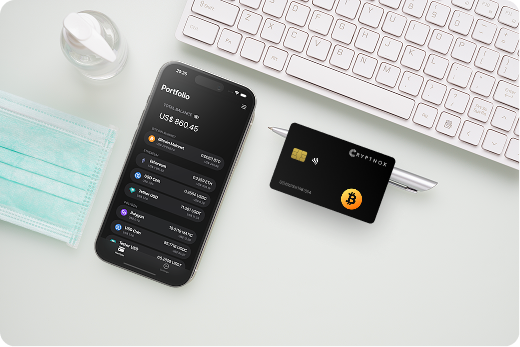
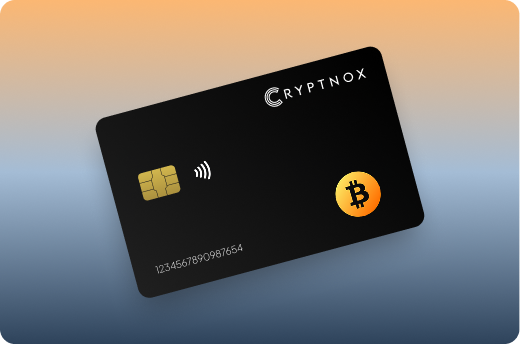
Keeps sensitive access data fully offline, protecting against online threats
Delivers a higher level of security compared to software-based solutions
Enables quick, secure actions while maintaining maximum protection
Introducing Cryptnox, the revolutionary hardware wallet designed to keep your digital assets safe, accessible, and fully under your control. Built on advanced smartcard technology, our wallets feature a secure dual-card backup system, biometric authentication, and seamless integration with MetaMask, WalletConnect, and Web3 apps. Whether you’re storing cryptocurrencies, swapping tokens, or diving into DeFi, Cryptnox delivers bank-level security without the complexity, empowering you to manage your portfolio with peace of mind.
Product Features
Product Specifications:
What It’s Built For:
Cryptnox hardware wallets are your go-to solution for:
Why Cryptnox Stands Out:
This isn’t just a wallet it’s a fortress for your digital future. With no access to your keys by Cryptnox (we never store or see them), audited firmware for top-tier reliability, and global availability, our hardware empowers beginners and experts alike. Backed by comprehensive tutorials, blogs, technical resources, and 24/7 support, Cryptnox ensures you stay ahead in the crypto world with unmatched security, simplicity, and innovation.
Cryptnox Hardware Wallets – Your Gateway to Secure, User-Friendly Crypto Management.
Ready to secure your assets? Buy a Cryptnox Hardware Wallet now and protect your crypto with ease.
Hardware Wallet | Description |
Trezor Safe 7 | Premium open-source wallet with 2.5″ color touchscreen, Bluetooth, and dual auditable secure element chips (TROPIC01 + Optiga). Excellent usability, transparency, and quantum-ready security. Frequently rated best overall in 2026. |
Ledger Flex | Modern E-ink touchscreen wallet with Bluetooth and certified secure element chip. User-friendly transaction verification supporting thousands of assets including Bitcoin. Strong for beginners and mobile use with Ledger Live app. |
Coldcard Q (or Mk4) | Bitcoin-only air-gapped powerhouse with QR code/NFC signing. Maximum offline security, open-source firmware, duress PINs, and exceptional multisig support. Top choice in Bitcoin communities for serious BTC holders. |
Tangem Wallet | Innovative NFC card-based system where backup cards replace traditional seed phrases. Highly portable with secure element protection and simple setup. Great for beginners seeking convenient cold storage. |
Ledger Nano X | Bluetooth-enabled classic with certified secure element chip and comprehensive Ledger Live app. Supports 5,500+ assets with reliable on-the-go Bitcoin management and proven track record. |
BitBox02 (Bitcoin-only) | Swiss-made open-source wallet with minimal Bitcoin-only firmware to reduce attack surface. Touch sensors, secure chip, and high user satisfaction ratings. Excellent for privacy-focused Bitcoin users. |
Blockstream Jade (Plus) | Affordable Bitcoin/Liquid-focused wallet supporting air-gapped QR signing. Strong privacy features and exceptional value. Favored in Bitcoin circles for simplicity and security without premium pricing. |
Foundation Passport | Premium air-gapped Bitcoin wallet with large color screen, camera for QR codes, and fully open-source design. User-friendly retro phone-like interface with companion app. Highly regarded for secure self-custody. |
OneKey Pro | High-end touchscreen wallet with EAL6+ certified secure chip. Clear transaction display with multi-chain support. Solid security architecture for Bitcoin alongside other digital assets. |
Ellipal Titan | Fully air-gapped metal wallet with large color touchscreen and QR-only operations. Zero wireless/USB connections with robust metal build for isolated, high-security Bitcoin storage environment. |
SafePal S1 (or Pro) | Budget air-gapped wallet using QR codes with self-destruct security chip. Affordable entry point supporting many blockchains. Practical for secure Bitcoin cold storage without breaking the bank. |
Keystone 3 Pro | Air-gapped QR code wallet with 4-inch touchscreen, open-source firmware, and Bitcoin-only firmware option. Multiple security chips with fingerprint support. Versatile and user-friendly for various skill levels. |
NGRAVE Zero | Ultra-secure fully air-gapped wallet with biometric authentication and durable graphene backup plates. Zero connectivity of any kind. Designed for maximum offline protection and extreme security requirements. |
Trezor Safe 3 | Affordable open-source entry-level wallet with certified secure element chip. Reliable, transparent codebase, and exceptional value for long-term Bitcoin holders seeking simplicity and proven security. |
Selecting the right Bitcoin hardware wallet requires understanding specific security requirements beyond standard crypto storage. Bitcoin custody demands features that prioritize long-term holding, multisig coordination, and protection against both digital and physical attacks. Learning what hardware wallets are helps you understand the fundamental differences between cold storage solutions and hot wallets.
The foundation starts with how private keys are protected. Secure element chips (certified EAL5+ or EAL6+) provide tamper-resistant hardware that makes physical extraction nearly impossible. Wallets like Trezor Safe 7 use dual-chip architecture with two separate secure elements, requiring attackers to breach multiple systems. Open-source firmware allows the Bitcoin community to audit code for vulnerabilities, which is why devices from Trezor, BitBox02, and Foundation Passport earn trust among Bitcoin maximalists.
PSBT (Partially Signed Bitcoin Transaction) compatibility enables complex multisig workflows where multiple hardware wallets coordinate to sign transactions. Duress PIN functionality (available on Coldcard) lets you enter an alternate PIN that opens a decoy wallet, protecting your main Bitcoin holdings under coercion. Coin control and UTXO management help privacy-conscious users avoid linking transactions on the blockchain. Understanding how to use hardware wallets properly ensures you maximize these security features.
Air-gapped wallets that never connect to computers via cable or Bluetooth offer maximum isolation. QR code signing (Coldcard, Foundation, Keystone) transmits transaction data visually between your wallet and watch-only device. NFC-based signing (Cryptnox, Tangem, Coldcard Q) provides quick offline authentication through contactless cards. Bluetooth-enabled devices (Trezor Safe 7, Ledger Flex/Nano X) trade some isolation for convenience, though they encrypt communications and require physical confirmation.
Traditional seed phrase backup (12 or 24 words) remains standard, but innovations exist. SLIP-39 (Shamir Backup) splits your recovery into multiple shares where a threshold is needed to restore. Card-based systems (Tangem, Cryptnox) use duplicate hardware for backup instead of writing down words. Metal backup plates protect against fire and water damage. Proper backing up of your hardware wallet ensures you can recover your Bitcoin even if your device is lost or damaged.
The choice between Bitcoin-only and multi-coin firmware significantly impacts your security posture and user experience. Bitcoin-only wallets run minimal code focused exclusively on BTC protocols, dramatically reducing potential attack surfaces.
Coldcard and BitBox02 Bitcoin-only editions contain no code for Ethereum, tokens, or alternative blockchains. This minimalism means fewer dependencies, simpler auditing, and faster security reviews from the Bitcoin community. Updates focus entirely on Bitcoin improvements like Taproot support and Lightning Network integration rather than maintaining thousands of altcoin implementations. The smaller codebase reduces the chance of vulnerabilities hiding in rarely-used functions.
Ledger and Trezor devices support thousands of cryptocurrencies, requiring substantially more code. Each blockchain integration adds complexity and potential security risks. However, multi-coin wallets suit investors diversifying beyond Bitcoin, eliminating the need for multiple devices. The Trezor Safe 7 and Ledger Flex maintain strong Bitcoin support while offering flexibility for portfolio diversification. For those exploring other networks, specialized guides like best hardware wallets for Ethereum can help with multi-chain strategies.
Bitcoin maximalists who believe BTC is the only sound money typically prefer Bitcoin-only devices. The philosophical alignment with Bitcoin’s values plus reduced attack surface justifies using specialized hardware. Portfolio investors holding Bitcoin alongside Ethereum, stablecoins, or DeFi tokens benefit from multi-coin devices that manage everything in one place. Your investment strategy determines the right approach, and understanding self-custody wallet principles helps clarify your security needs.
Bitcoin-only manufacturers dedicate 100% of development resources to BTC features. Coldcard leads in advanced Bitcoin capabilities like sophisticated multisig coordination and specialized signing policies. Multi-coin manufacturers split attention across numerous blockchains, potentially slowing Bitcoin-specific improvements. However, larger user bases provide more resources for security audits and faster response to vulnerabilities.
Different hardware wallets implement distinct security architectures that offer varying levels of isolation and protection. Understanding these models helps you match security needs to your Bitcoin holdings and threat tolerance. Exploring cold storage wallet options reveals the range of security approaches available for protecting cryptocurrency.
Coldcard, Foundation Passport, ELLIPAL Titan, and NGRAVE Zero maintain complete physical isolation from computers and networks. These devices never connect via USB, Bluetooth, or any wireless method. Transaction signing occurs through QR codes scanned by cameras or NFC taps for data transfer. This isolation makes remote attacks virtually impossible since there’s no communication channel to exploit. Coldcard excels with both QR and NFC options (Q model), while ELLIPAL goes further with a fully sealed metal case lacking even a USB port.
Certified secure element chips (EAL5+ or EAL6+) provide tamper-resistant hardware that physically protects private keys. Trezor Safe 7 pioneered dual secure elements with their auditable TROPIC01 chip alongside the established Optiga Trust M, creating redundant protection. Ledger devices use proprietary secure elements certified to high levels. Tangem and Cryptnox NFC cards embed secure elements within credit card form factors for portable protection.
Trezor, BitBox02, Foundation, and Keystone publish complete source code for community auditing. Open-source firmware allows security researchers and Bitcoin developers to verify no backdoors exist and security claims are genuine. The transparent development process builds trust through peer review rather than proprietary secrets. Trezor’s TROPIC01 represents the first auditable secure element chip, bridging the gap between open-source advocates and secure hardware requirements.
Bluetooth-enabled wallets (Trezor Safe 7, Ledger Nano X, Ledger Flex) prioritize mobile convenience while implementing encrypted communication protocols. Trezor’s THP (Trezor Hardware Protocol) adds encryption layers specifically for wireless security, and users can disable Bluetooth entirely when not needed. USB-only devices offer a middle ground with physical connections that are easier to secure than wireless but less isolated than air-gapped designs. Understanding the comparison between Ledger vs Trezor helps clarify these security trade-offs.
Sophisticated Bitcoin users require hardware wallets that support complex custody arrangements and privacy-enhancing techniques. Advanced features differentiate basic storage from professional-grade Bitcoin security tools.
Multisignature setups require multiple hardware wallets to authorize transactions, eliminating single points of failure. Coldcard excels at multisig coordination with streamlined workflows for 2-of-3 or more complex arrangements. PSBT (Partially Signed Bitcoin Transaction) is the standard format enabling hardware wallets from different manufacturers to coordinate signatures. Foundation Passport and BitBox02 also provide excellent multisig capabilities with clear verification screens showing which cosigners have approved.
Duress PINs (Coldcard specialty) open decoy wallets with small amounts if you’re forced to unlock your device under threat. Passphrases (BIP-39’s “25th word”) create hidden wallets derived from your seed plus a memorable passphrase that you never write down. Coin control features let you select specific UTXOs (Unspent Transaction Outputs) when spending, preventing blockchain analysis from linking your transactions. Custom derivation paths support advanced account structures and compatibility with unusual wallet software. Learning how to securely generate BIP39 seed phrases is crucial for proper wallet initialization.
Native SegWit (bech32) addresses reduce transaction fees and are supported by all modern hardware wallets. Taproot support (activated in 2021) enables enhanced privacy and smart contract capabilities that advanced wallets now implement. Lightning Network support allows some hardware wallets to secure Lightning channels for instant Bitcoin payments, though this remains limited compared to on-chain support. Understanding SegWit implementation helps optimize transaction costs.
Hardware-based entropy generation uses the device’s secure random number generator for seed creation rather than trusting computer randomness. Time-locked transactions enable Bitcoin inheritance planning or enforced holding periods. Some wallets support BIP-47 payment codes for reusable addresses that don’t compromise privacy. CoinJoin compatibility with tools like Wasabi or Samourai requires careful UTXO management that sophisticated hardware wallets facilitate.
Different Bitcoin holders have distinct priorities that align with specific hardware wallet capabilities. Matching your profile to the right device ensures you get necessary features without overpaying for unused functionality.
Trezor Safe 3 offers proven open-source security with a secure element at an entry-level price point. Blockstream Jade provides exceptional value for Bitcoin-focused users with air-gapped QR signing despite its affordability. SafePal S1 delivers air-gapped protection at budget prices for users willing to accept a multi-coin device. An introduction to crypto hardware wallets helps beginners understand essential features before purchasing.
Ledger Nano X combines Bluetooth connectivity with the comprehensive Ledger Live mobile app for complete smartphone management. Tangem’s credit card format with NFC tapping provides the most portable Bitcoin access requiring only your phone. Cryptnox NFC cards similarly offer card-based portability with secure offline signing that works seamlessly with mobile devices. These physical crypto wallets fit easily in any wallet alongside traditional payment cards.
Coldcard Q or Mk4 represents the gold standard for Bitcoin-only users with unmatched BTC-specific features and strong community support. BitBox02 Bitcoin-only edition provides Swiss engineering with minimal firmware for reduced attack surface. Blockstream Jade focuses on Bitcoin and Liquid networks with strong privacy emphasis. Dedicated best Bitcoin hardware wallet comparisons provide deeper analysis for BTC purists
Coldcard’s air-gapped operation, duress PINs, and physical security features make it the choice for serious holdings. ELLIPAL Titan’s sealed metal case with zero connectivity provides complete isolation for paranoid security. NGRAVE Zero adds biometric authentication and graphene backup plates for ultimate protection. Foundation Passport combines air-gapped design with exceptional user experience through its camera and intuitive interface. Understanding secure payment methods with blockchain reveals why hardware wallets outperform software solutions.
Air-gapped devices (Coldcard, ELLIPAL, Foundation) suit “set it and forget it” cold storage with minimal transaction frequency. Durable builds with metal cases withstand years in safes or deposit boxes. Reliable backup systems ensure recovery decades later. For inheritance planning, exploring combined backup and inheritance solutions helps protect generational wealth.
Trezor Safe 7’s 2.5-inch color touchscreen, wireless charging, and Bluetooth offer the most refined user interface. Ledger Flex’s E-ink display provides excellent visibility with modern aesthetics. Foundation Passport’s retro phone design with physical buttons and camera creates a distinctive premium feel.
Trezor Safe 7 and Safe 3 provide fully auditable firmware and the revolutionary TROPIC01 auditable secure element. BitBox02’s minimal codebase and Swiss transparency earn trust. Foundation Passport publishes all code including companion software. Keystone 3 Pro offers open-source firmware with Bitcoin-only options
Protect your Avalanche assets with the Cryptnox hardware wallet featuring EAL6+ security, dual-card backup, and native support for C-Chain, X-Chain, and P-Chain operations.
The Cryptnox solution is a high-security hardware wallet based on the latest smartcard technology available A seed is either generated or injected as part of the initialization process, which makes it compatible with the BIP32 and BIP39 standards When choosing the Dual Card Setup option, you can generate an identical seed in two cards in only seconds, and store the backup card in a safe place for recovery
A hardware wallet is a physical device designed to securely store private keys offline Keeping sensitive data disconnected from the internet, it significantly reduces exposure to hacking, malware, and phishing attacks
Unlike software wallets that operate on internet-connected devices, hardware wallets isolate private keys in a secure environment Transactions are signed internally, ensuring keys never leave the device or are exposed online
Yes! Hardware wallets are ideal for long-term asset protection Offline storage, durable hardware, and secure backup mechanisms make them well-suited for holding assets safely over extended periods
Access can be restored using a secure recovery process, typically based on a recovery phrase or backup solution created during setup This ensures assets remain accessible even if the physical device is no longer available
Modern hardware wallets are designed with user-friendly interfaces and guided setup processes
This makes them accessible to beginners while still meeting the security standards required by advanced users