Protect your Bitcoin with the right cold wallet, and you massively cut your risk of hacks, exchange failures, and human error. Recent reports show that crypto thefts passed 2.4 billion dollars in the first half of 2025 alone, so moving your keys offline is not just smart, it is urgent for anyone who takes Bitcoin seriously. Discover the Best Cold Wallet for Bitcoin in 2025.
Our products:
– Card Wallet as a Service (C-WAAS)
What is a cold wallet for Bitcoin?
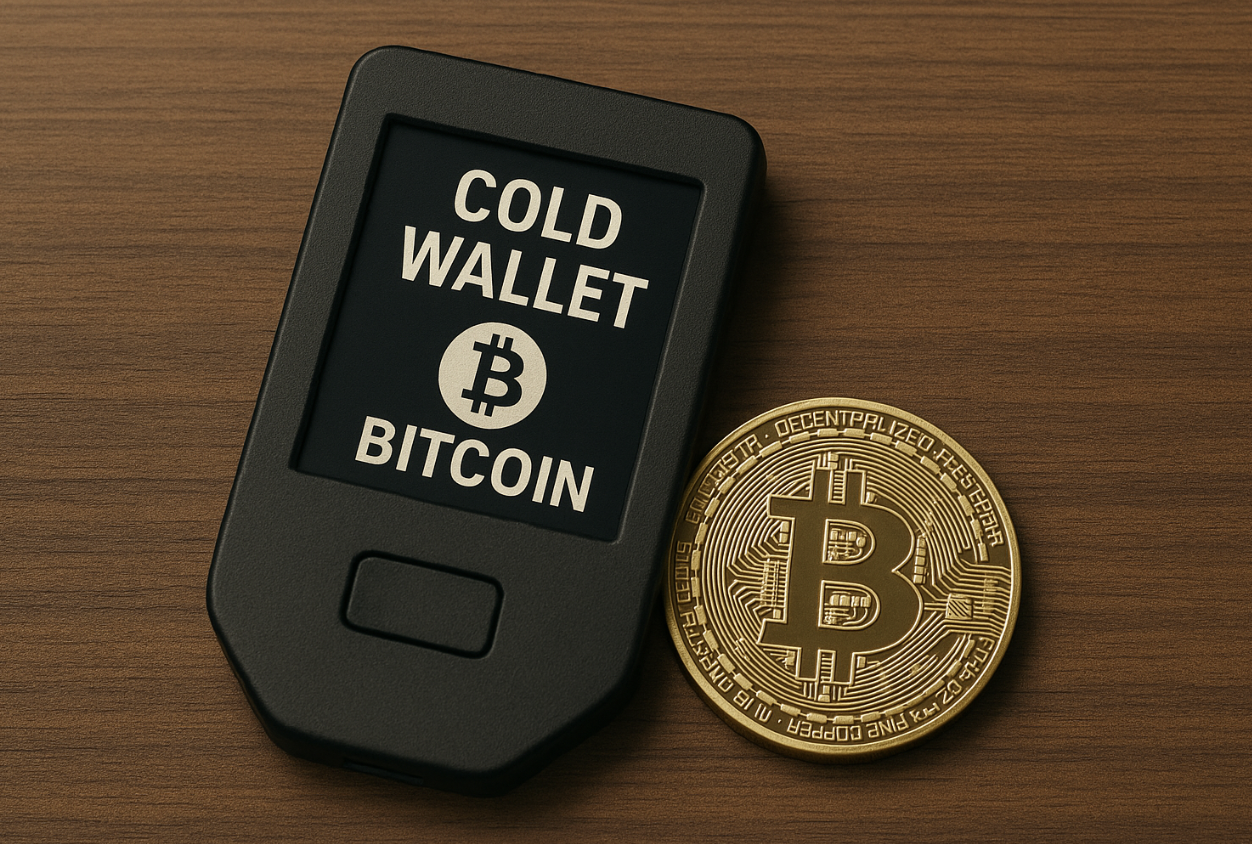
A cold wallet is a Bitcoin wallet that keeps your private keys offline, away from internet-connected devices that can be hacked or infected with malware. Most cold wallets are hardware devices or secure smart cards that store keys in a tamper-resistant chip and only sign transactions when you approve them physically.
Because they are not always online, cold wallets act like a digital safe, perfect for long-term holdings or larger Bitcoin balances you do not want to touch every day. You can still send and receive BTC, but the signing step happens in a secure element instead of on your laptop or phone, which sharply reduces the attack surface.
Types of cold wallets for Bitcoin
There are three main cold storage formats most Bitcoin users work with today. Each has pros and cons in terms of usability, durability, and risk of loss, which matters a lot when the asset is something like BTC that may be held for many years.
- Hardware devices (USB-type devices with a secure chip and a small screen).
- Smart card wallets (bank card-style hardware wallets like Cryptnox that work with NFC and mobile apps).
- Paper or metal backups (seed phrases written or engraved on durable material and kept offline).
Paper or metal backups are great as a second layer, but most people find them hard to use as a primary wallet for regular Bitcoin transactions.
Why smart card cold wallets stand out
Smart card-based hardware wallets bring the security of a dedicated chip to a familiar credit card form factor, which fits easily in a physical wallet or safe. They are especially attractive for Bitcoin holders who want strong security without carrying a chunky device or worrying about fragile screens and ports.
Key features of the best cold wallet for Bitcoin
When you compare cold wallets for BTC, focus less on flashy marketing and more on a handful of core features that directly affect safety and ease of use. Think about how you will actually use the wallet week after week (for example, signing on the go, checking balances on your phone, or holding as a “do not touch” vault).
Important features include:
- Secure element chip with strong certification level.
- True offline key storage with transaction signing inside the device or card.
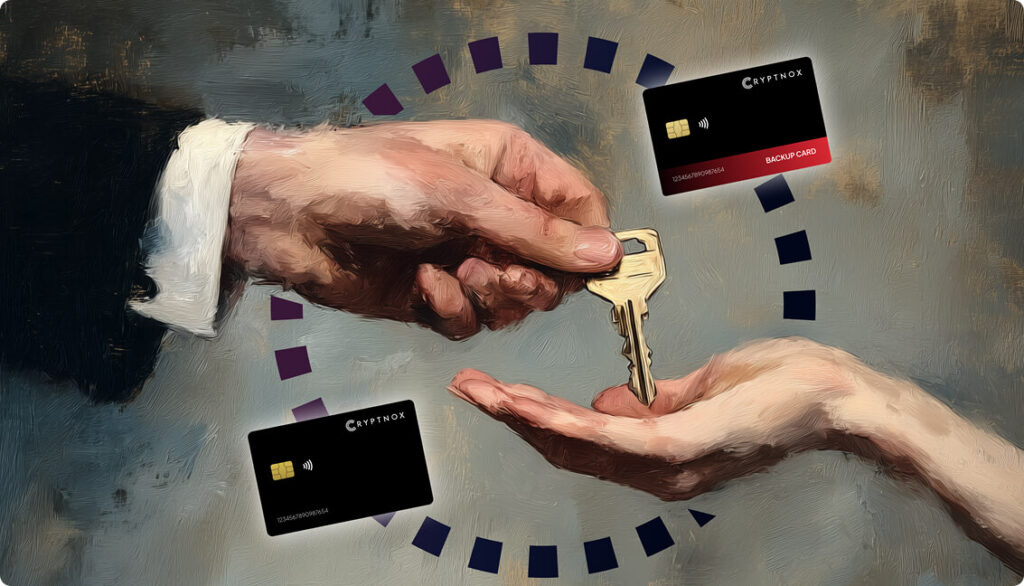
- Simple backup and recovery process using a seed phrase or dual card setup.
- Support for Bitcoin and possibly other major coins if you need them.
- Open and transparent firmware process, or at least a trusted supply chain.
- Extra layers like PIN codes, passphrases, and optional multi device flows.
Bitcoin backup and recovery with card wallets
A cold wallet is only as safe as your recovery plan, so backup and restore design matters just as much as the secure chip itself. If you lose a device or card without a proper backup, your Bitcoin is gone forever, which is why a wallet that helps you through this process is valuable.
Cold wallet best practices for Bitcoin owners
Even the best cold wallet can not protect you from every mistake, so pairing good hardware with simple habits gives you the best security for your BTC. Think of your setup as a combination of device, backup, and behavior, all working together to reduce risk.
Here are some practical habits:
- Buy direct from the wallet provider or an official reseller to avoid tampered devices.
- Set a strong PIN and do not reuse codes from other devices.
- Write down or engrave your seed phrase offline and store it in a safe place.
- Never type your seed phrase into a website, email form, or chat.
- Keep firmware and companion apps updated from official sources only.
- Test a small restore once, so you know you can recover if something happens.
Good security is quiet and boring, but that is exactly what you want when you are protecting something as valuable as Bitcoin.
How to choose the best cold wallet for your Bitcoin
Choosing the best cold wallet for Bitcoin is about matching security features to your real-life habits and the size of your holdings. If you hold meaningful amounts of BTC, using a dedicated cold wallet with a secure element, strong backup, and clear user flow is far safer than leaving everything on a hot wallet or exchange.
Best Cold Wallet for Bitcoin
1) Cryptnox – Best Cold Wallet for Bitcoin
Cryptnox specializes in advanced smart card technology for blockchain applications, focusing on secure authentication and digital asset management. Their solutions cater to both consumers and businesses, offering a seamless and user-friendly experience.
Key Features and Products
– FIDO2 Smartcard: Offers secure single- or two-factor authentication with FIDO2 Level 1 certification, ideal for personal and enterprise use. It supports passwordless authentication and is compatible with various platforms like Gmail, Facebook, and more.
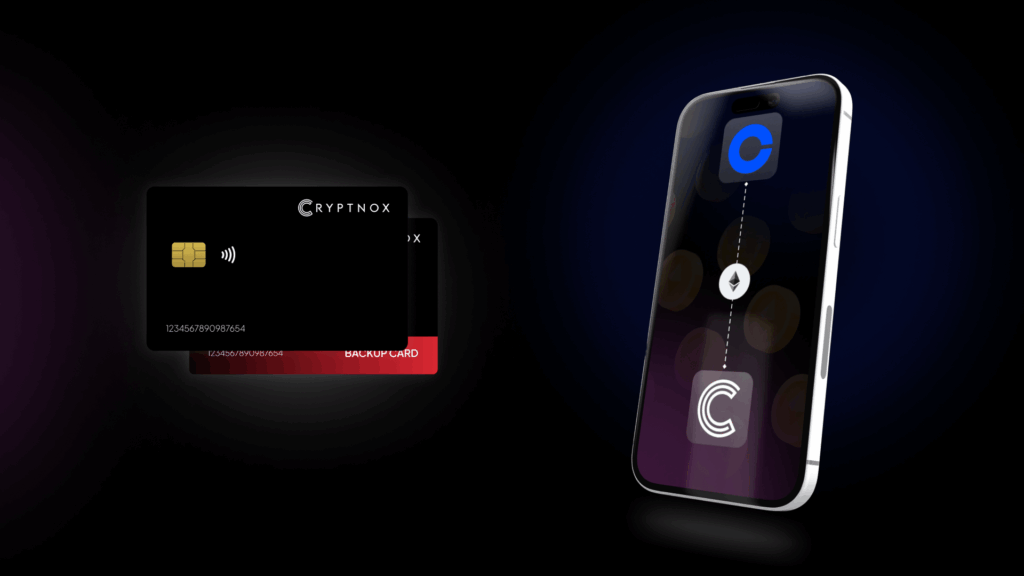
– Hardware Wallet: Provides secure crypto storage with a dual-card backup system, biometric authentication, and seamless Web3 integration. It supports multiple blockchain networks, including Ethereum and Bitcoin.
– Card Wallet as a Service (C-WAAS): Cryptnox offers White Label Crypto cards specifically designed for banks, fintech companies, and financial institutions. These customizable hardware wallet cards enable secure and user-friendly cryptocurrency management while providing full regulatory control, allowing institutions to maintain compliance and oversight over their crypto services.
Innovations and Certifications:
– Cryptnox is a member of the FIDO Alliance and their products are based on chips with certifications such as EAL6+ Common Criteria and FIPS 140-2 Level 3, ensuring high-security standards.
– Their solutions are designed for simplicity and user experience, with ongoing research into blockchain card dematerialization.
Target Audience:
Cryptnox products are designed for both individual consumers seeking secure crypto management and businesses like fintech firms and banks looking to integrate advanced security solutions into their payment ecosystems.
Rank | Wallet Name | Description |
2 | Ledger Nano X | The Ledger Nano X is a premium Bluetooth-enabled hardware wallet renowned for Bitcoin security, supporting over 5,500 assets, including BTC. It features a CC EAL5+ secure chip, offline key storage, and firmware updates for robust protection against hacks. With a 100 mAh battery and mobile app integration via Ledger Live, users can manage Bitcoin on the go, stake, swap, and access DApps. Setup generates a 24-word recovery phrase for easy restoration. Pros: Bluetooth connectivity for iOS/Android, NFT support, and extensive coin compatibility. Cons: Battery life drains quickly, limited app storage (5-10 apps), and past supply chain vulnerabilities. Priced at $149, it’s future-proof with over-the-air updates and a durable metal build. Ideal for beginners and active traders, the Nano X balances usability and security, making it a top Bitcoin cold wallet in 2025 despite occasional connectivity issues. |
3 | Trezor Model T | Trezor Model T is a touchscreen hardware wallet emphasizing open-source security for Bitcoin, supporting over 1,450 assets. It features Shamir Backup (SLIP39) for enhanced recovery and a color touchscreen for intuitive navigation. Keys are generated offline with BIP39 compatibility, and it integrates with Trezor Suite for buying, selling, and staking. Pros: Open-source code for audits, FIDO2 authentication, and privacy tools like Coinjoin. Cons: No Bluetooth, higher price at $219, and limited native NFT support. Priced at $219, it’s durable with USB-C connectivity and haptic feedback. Suited for privacy-focused users, the Model T offers superior transparency and security for Bitcoin cold storage in 2025, though beginners may find the interface less polished than competitors. |
4 | Tangem Wallet | Tangem Wallet is a card-shaped NFC hardware wallet for Bitcoin, supporting over 6,000 assets without batteries or screens for ultimate simplicity. It uses EAL6+ secure chips and biometric protection, with multi-card backups replacing seed phrases. Pair with the Tangem app for buying, staking, and swapping. Pros: Ultra-portable, hack-proof design, no charging needed, and beginner-friendly setup under 3 minutes. Cons: Higher risk of physical loss, no direct staking in app, and limited to NFC-enabled devices. Priced at $50-70 for sets, it’s affordable for cold storage. Perfect for Bitcoin users seeking minimalism, Tangem offers unmatched convenience in 2025, though it lacks advanced features like touchscreen verification. |
5 | COLDCARD Mk4 | COLDCARD Mk4 is a Bitcoin-only hardware wallet focused on air-gapped security, with NFC, USB-C, and MicroSD for offline transactions. It uses dual secure elements for key protection and trick PINs for duress scenarios. Pros: Verifiable open-source code, anti-tampering epoxy, and advanced features like PSBT support. Cons: Bitcoin-only, steep learning curve, and no multi-currency. Priced at $148, it’s built for power users with a numeric keypad and OLED screen. Ideal for long-term Bitcoin holders in 2025, Mk4 prioritizes maximum security over versatility, making it a top choice for paranoid users despite lacking broader asset support. |
6 | NGRAVE Zero | NGRAVE Zero is an air-gapped hardware wallet with EAL7 certification, the highest security standard, supporting Bitcoin via QR codes. It features fingerprint authentication and a tamper-resistant design that erases data on breaches. Pros: 100% offline, GRAPHENE metal backup, and premium build. Cons: Expensive at $398, no Bluetooth, and limited integrations. With a 4-inch touchscreen and mobile app sync, it’s user-friendly for Bitcoin cold storage. In 2025, Zero excels for ultra-secure holders, though its price and ecosystem lock-in may deter beginners. |
7 | Ledger Nano S Plus | Ledger Nano S Plus is an affordable USB-C hardware wallet for Bitcoin, supporting 5,500+ assets with CC EAL5+ security. It offers larger storage than Nano S and Ledger Live integration for staking and swaps. Pros: Beginner-friendly, NFT support, and durable design. Cons: No Bluetooth, small screen, and app juggling for many coins. Priced at $79, it’s value-packed for desktop users. Great for Bitcoin entry-level storage in 2025, balancing cost and features, though mobile users may prefer Nano X. |
8 | Trezor Safe 5 | Trezor Safe 5 is a touchscreen hardware wallet with EAL6+ secure element for Bitcoin security, supporting 9,000+ assets. It features haptic feedback, Shamir Backup, and open-source code. Pros: Privacy tools like Coinjoin, mobile integration, and durable design. Cons: No Bluetooth, $169 price, and learning curve. With Trezor Suite for staking, it’s ideal for privacy-conscious users. In 2025, Safe 5 offers top transparency for Bitcoin cold storage, though beginners might find setup complex. |
9 | Ellipal Titan | Ellipal Titan is an air-gapped hardware wallet for Bitcoin, using QR codes for transactions and supporting 10,000+ assets. It features a 4-inch touchscreen, CC EAL5+ chip, and metal build. Pros: Offline security, NFT support, and DApp integration. Cons: Bulkier design, no USB/Bluetooth, and a higher price at $169. With a 1400mAh battery, it’s reliable for cold storage. Suited for security-focused Bitcoin users in 2025, though the size may reduce portability. |
10 | SafePal X1 | SafePal X1 is a Bluetooth hardware wallet for Bitcoin, with open-source code and CC EAL5+ security, supporting 10,000+ tokens. It features a 1.8-inch screen and app integration for swaps and staking. Pros: Budget-friendly at $70, wireless connectivity, and DApp access. Cons: Smaller battery (200mAh), limited to mobile, and closed-source elements. Ideal for on-the-go Bitcoin users in 2025, offering value despite minor usability issues. |
11 | BitBox02 | BitBox02 is an open-source hardware wallet for Bitcoin, with a dual-chip design and touch sensors, supporting 1,500+ assets. It offers Shamir Backup and U2F authentication. Pros: Compact USB-C design, audited code, and Bitcoin-only edition for minimalism. Cons: No touchscreen, $130 price, and no mobile app. Durable polycarbonate build suits privacy users. In 2025, it’s a secure choice for Bitcoin cold storage, emphasizing transparency. |
12 | Ledger Flex | Ledger Flex is a touchscreen hardware wallet for Bitcoin, with E Ink display and CC EAL6+ security, supporting 5,500+ assets. It offers Bluetooth, NFT viewing, and Ledger Live integration. Pros: Premium 2.84-inch screen, wireless updates, and staking. Cons: $249 price, battery concerns, and smaller app capacity. Ideal for mobile Bitcoin users in 2025, blending luxury and security. |
13 | Trezor Safe 3 | Trezor Safe 3 is an affordable hardware wallet with an EAL6+ secure element for Bitcoin, supporting 8,000+ assets. It features open-source code, Coinjoin privacy, and Trezor Suite. Pros: Budget $79 price, Shamir Backup, and beginner-friendly. Cons: Small screen, no touchscreen, and USB-only. Great for secure Bitcoin storage in 2025, prioritizing affordability and privacy. |
14 | KeepKey | KeepKey is a sleek hardware wallet for Bitcoin, supporting 40+ assets with ShapeShift integration for swaps. It features a large OLED screen and recovery phrase backup. Pros: Durable aluminum build, simple interface, and affordable at $78. Cons: Limited coins, unpatchable flaws, and no secure element. Suited for basic Bitcoin cold storage in 2025, though outdated compared to newer models. |
15 | Keystone 3 Pro | Keystone 3 Pro is an air-gapped hardware wallet for Bitcoin, with a 4-inch touchscreen and three secure elements, supporting 10,000+ assets. It offers multi-seed management and MetaMask integration. Pros: Fingerprint unlock, open-source, and QR/MicroSD transfers. Cons: $149 price, no native staking, and a bulkier design. Ideal for advanced Bitcoin users in 2025 seeking ultimate security. |
Our products:
– Card Wallet as a Service (C-WAAS)
FAQ:
What is a cold wallet?
A cold wallet, also known as cold storage, is a cryptocurrency wallet that stores your private keys offline, disconnected from the internet. This makes it highly secure against hacking, malware, and other online attacks. For Bitcoin, it typically holds your BTC in a way that’s not accessible remotely, providing the highest level of security for long-term savings. Unlike software wallets on your phone or computer, cold wallets are immune to digital vulnerabilities because they don’t connect to the web.
How does a cold wallet differ from a hot wallet?
Hot wallets are connected to the internet (e.g., exchange apps or software wallets like those on Coinbase), making them convenient for quick transactions but vulnerable to cyberattacks. Cold wallets operate completely offline, with no Web3 interaction, which eliminates the risk of remote hacks but requires physical access for use. If a hot wallet gets compromised, your funds could be stolen instantly; a cold wallet’s isolation prevents this.
Why should I use a cold wallet for Bitcoin?
Cold wallets are ideal for long-term storage of Bitcoin because they offer superior security against theft. If you’re holding significant amounts of BTC not intended for daily trading, cold storage protects against exchange hacks, phishing, or malware. It’s recommended for “savings” rather than frequent spending, as it reduces exposure to online risks.
What are the types of cold wallets?
Common types include:
- Hardware wallets: Physical devices like USB drives that generate and store keys offline (e.g., Ledger or Trezor).
- Paper wallets: Printed QR codes or keys on paper, fully offline but vulnerable to physical damage.
- Metal wallets: Engraved seeds on durable materials for backup.
- Air-gapped software wallets: Run on offline computers. Hardware wallets are the most popular for Bitcoin due to their balance of security and usability.
Here are some examples of hardware cold wallets:
How do I set up a cold wallet for Bitcoin?
- Purchase a reputable hardware wallet directly from the manufacturer to avoid tampered devices (e.g., from Ledger or Trezor’s official site).
- Follow the device’s setup instructions: Generate a new wallet, write down the recovery seed phrase (usually 12-24 words), and store it securely offline.
- Verify the device isn’t compromised by checking for official seals.
- Transfer BTC from an exchange to your cold wallet’s public address.
- For transactions, connect briefly to sign them offline if needed, but keep it disconnected otherwise. Always back up your seed phrase in multiple secure locations, but never digitally.
How does a cold wallet know it received Bitcoin if it’s offline?
When you send BTC to a cold wallet’s public address, the transaction is recorded on the Bitcoin blockchain. The wallet doesn’t need to be online to “receive” funds—the blockchain updates the balance. When you connect the wallet (or use companion software), it scans the blockchain to show the updated balance without exposing private keys.
What are the pros and cons of using a cold wallet?
Pros:
- Highest security level against online threats.
- Control over your private keys (not your keys, not your coins).
- Suitable for large holdings.
Cons:
- Less convenient for frequent transactions.
- Risk of physical loss, theft, or damage.
- Initial cost for hardware (around $50-$200). If lost, you can recover with your seed phrase, but if the seed is compromised, funds are at risk.
What if I lose my cold wallet or seed phrase?
If you lose the device but have your seed phrase, you can recover your Bitcoin on a new compatible wallet. However, if the seed phrase is lost or stolen, your funds are irrecoverable or at risk. Always store multiple copies of the seed in safe, offline places like fireproof safes—never online or in photos.
Are cold wallets completely hack-proof?
While they can’t be hacked remotely due to being offline, they’re not invincible. Risks include physical theft, supply-chain tampering, or user errors like sharing seeds. Buy from trusted sources and use strong PINs or passphrases for added protection.
Our products: