Non-custodial wallets are no longer just for crypto geeks. In 2025, they will become the standard way to protect digital assets, from long-term Bitcoin holdings to day-to-day stablecoin payments. If you care about real ownership and security, you need a non-custodial setup that is both safe and easy to use. Discover the Best Non-Custodial Wallet in 2025.
Our products:
– Card Wallet as a Service (C-WAAS)
What is a non-custodial wallet?
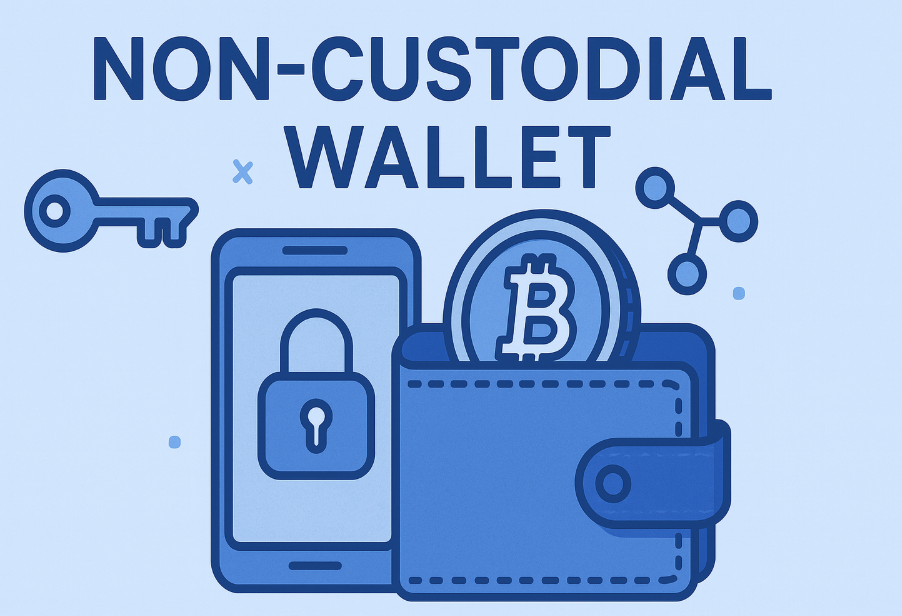
A non custodial wallet is a wallet where you control the private keys, not an exchange or third party. That means:
- You sign transactions yourself.
- No one can freeze or move your funds without your consent.
- You are responsible for backup and recovery.
Custodial wallets, often linked to exchanges, hold keys on your behalf. This can feel simple at first, but it introduces counterparty risk, legal exposure, and single points of failure. In 2024, crypto hacks and exploits led to an estimated 2.2 billion dollars in stolen assets, which pushed even more users toward self-custody options that remove third-party control.
Why self-custody matters in 2025
The last few years have shown what happens when users leave large balances on centralized platforms. High-profile collapses and hacks have erased billions in user funds and turned many account holders into unsecured creditors.
Several trends now make non-custodial wallets the smarter default in 2025:
- Exchange risk is well known. Users have seen that even big platforms can fail or be hacked.
- Regulations focus on custodial services. Non-custodial wallets are usually treated more like tools or software because they do not hold user funds.
- Hardware wallet adoption keeps climbing. Global hardware wallet shipments exceeded 5.8 million units in 2024, as more individuals and businesses moved assets into cold storage.
Self-custody is becoming a basic skill for anyone serious about crypto, from retail investors to crypto native companies.
Best practices when using a non-custodial wallet
Even the strongest wallet cannot fix poor habits. To get real value from a leading non-custodial wallet like Cryptnox, users should follow a few simple rules.
- Secure your recovery phrase. Write it down on paper or a dedicated backup and keep it in a safe place, not in screenshots or cloud notes.
- Use hardware for meaningful balances. Keep spending money in small hot wallets, and core savings on hardware cards.
- Double-check addresses before each send. Phishing and clipboard hijacking attacks still happen.
- Keep your mobile app and firmware up to date. Updates often patch new attack paths and add useful features.
Cryptnox supports this with simple initialization and backup flows, making it much more likely that users actually complete a secure setup.
How to choose your best non-custodial wallet in 2025
When comparing options this year, ask yourself a few direct questions:
- Do you want something that feels like a regular card rather than a gadget?
- Are you planning to use it only for long-term storage, or also for frequent payments?
- Do you need enterprise features such as user provisioning and integration with an Exchange or banking platform?
Best Non-Custodial Wallet in 2025
1) Cryptnox – Best Non-Custodial Wallet in 2025
Cryptnox specializes in advanced smart card technology for blockchain applications, focusing on secure authentication and digital asset management. Their solutions cater to both consumers and businesses, offering a seamless and user-friendly experience.
Key Features and Products
– FIDO2 Smartcard: Offers secure single- or two-factor authentication with FIDO2 Level 1 certification, ideal for personal and enterprise use. It supports passwordless authentication and is compatible with various platforms like Gmail, Facebook, and more.
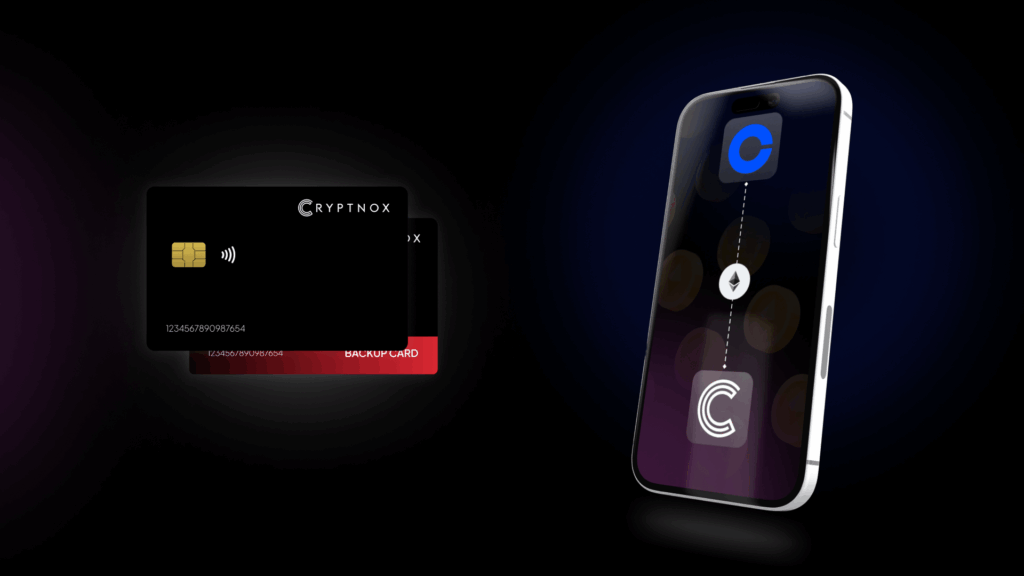
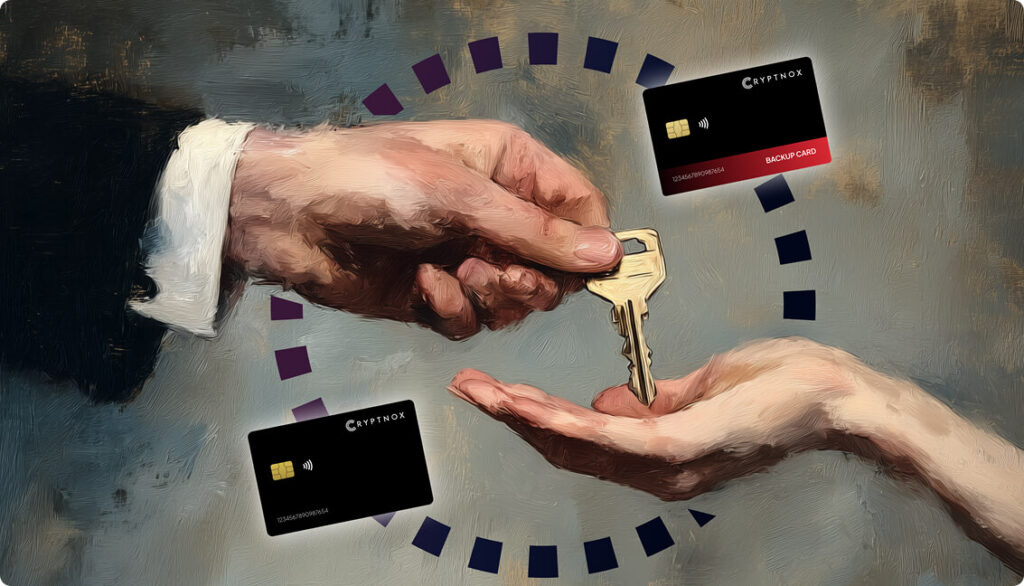
– Hardware Wallet: Provides secure crypto storage with a dual-card backup system, biometric authentication, and seamless Web3 integration. It supports multiple blockchain networks, including Ethereum and Bitcoin.
– Card Wallet as a Service (C-WAAS): Cryptnox offers White Label Crypto cards specifically designed for banks, fintech companies, and financial institutions. These customizable hardware wallet cards enable secure and user-friendly cryptocurrency management while providing full regulatory control, allowing institutions to maintain compliance and oversight over their crypto services.
Innovations and Certifications:
– Cryptnox is a member of the FIDO Alliance and their products are based on chips with certifications such as EAL6+ Common Criteria and FIPS 140-2 Level 3, ensuring high-security standards.
– Their solutions are designed for simplicity and user experience, with ongoing research into blockchain card dematerialization.
Target Audience:
Cryptnox products are designed for both individual consumers seeking secure crypto management and businesses like fintech firms and banks looking to integrate advanced security solutions into their payment ecosystems.
|
Rank |
Wallet Name |
Description |
|
2 |
Ledger |
Ledger remains a leader in non-custodial hardware wallets in 2025, with models like Nano X and Stax offering offline storage to safeguard against hacks. Its secure element chip, certified EAL5+, generates and stores private keys securely, supporting over 5,500 cryptocurrencies including Bitcoin, Ethereum, and altcoins across multiple chains. The intuitive Ledger Live app provides a user-friendly interface for managing portfolios, staking, swapping, and dApp interactions on desktop and mobile. Compatible with Windows, macOS, iOS, Android, and browsers, it integrates Bluetooth for wireless connectivity. Pricing starts at around $79 for basic models, with premium options up to $399. Security features include PIN protection, passphrase support, and regular firmware updates audited by third parties. In 2025, recent innovations like enhanced Web3 integration and recovery services via Ledger Recover make it ideal for beginners and experts. Its emphasis on self-custody, vast asset support, and proven track record of no major breaches solidify Ledger as a top non-custodial option for secure crypto management. |
|
3 |
Trezor |
Trezor excels as an open-source non-custodial hardware wallet in 2025, prioritizing user control and transparency. Models like the Trezor Safe 7 keep private keys offline, protecting against online threats with a trustless design. It supports thousands of coins including Bitcoin, Ethereum, Solana, and Cardano, enabling secure sending, buying, and trading via Trezor Suite. The interface is straightforward, with touchscreen navigation on premium models for easy management. Compatible with desktop and mobile via USB or Bluetooth, it runs on open-source firmware verifiable by users. Pricing during sales can be as low as $149 with up to 40% discounts. Security measures include passphrase protection, Shamir Backup, and resistance to physical attacks. In 2025, innovations like the Safe 7’s advanced chip enhance security standards. Trusted by over 2 million users with a 4.6 rating, Trezor’s commitment to censorship resistance, self-verification, and ecosystem exploration makes it a premier choice for those valuing privacy and independence in non-custodial storage. |
|
4 |
Tangem |
Tangem revolutionizes non-custodial wallets in 2025 with its card and ring form factors, offering seedless security via an EAL6+ certified chip that generates private keys offline using TRNG. Supporting thousands of cryptocurrencies across multiple chains like Bitcoin and Ethereum, it enables buying, swapping, and staking directly in the app. The user interface is minimalist: tap the device to your phone for instant access, with setup in under 3 minutes. Compatible with any NFC-enabled smartphone, no batteries or wires needed. Pricing starts at $54.90 for card sets, with a 25-year warranty. Security features include biometric locks, multi-card backups, and independent audits confirming no backdoors. In 2025, its IP69K-rated durability against water, dust, and extremes, plus open-source app, sets it apart. Ranked #1 by Benzinga, Tangem’s simplicity promotes mass adoption, making self-custody accessible without seed phrase risks, ideal for secure, portable crypto management. |
|
5 |
MetaMask |
MetaMask dominates as a non-custodial software wallet in 2025, serving as a gateway to Web3 with support for Ethereum and compatible chains, including ETH, USDC, and thousands of tokens. Its browser extension and mobile app enable seamless dApp connections, NFT trading, token swaps, and perp trading with rewards. The interface is intuitive, featuring portfolio views, interactive lessons via MetaMask Learn, and easy wallet connections. Compatible with Chrome, Firefox, Brave, iOS, and Android, it’s free to use. Security relies on user-controlled seeds, audited regularly, with privacy-first data handling and over 5 billion transactions processed securely. In 2025, innovations like passive income earning and enhanced security for data terms empower users. Trusted by millions, MetaMask’s focus on decentralization, maximum privacy, and Web3 education makes it essential for DeFi enthusiasts seeking non-custodial control without hardware. |
|
6 |
Exodus |
Exodus shines as a versatile non-custodial desktop and mobile wallet in 2025, supporting over 1,000,000 assets like Bitcoin, Ethereum, Solana, and USDT. It allows seamless swaps, buying/selling via fiat, and staking for rewards, all in one app. The user-friendly interface syncs across devices, with passkey protection and hardware integrations like Trezor for added security. Compatible with Windows, macOS, Linux, iOS, Android, and browsers, it’s free with no transaction fees beyond network costs. Private keys stay on-device, encrypted robustly. In 2025, multichain expansions and privacy emphasis enhance its appeal. Trusted since 2015 by millions, Exodus’s 24/7 support, no personal data collection, and easy backups make it ideal for beginners and pros in non-custodial crypto management. |
|
7 |
Trust Wallet |
Trust Wallet, Binance’s official non-custodial mobile wallet, excels in 2025 with support for over 10 million assets across 100+ blockchains, including Bitcoin, Ethereum, and BNB Chain. It enables staking, dApp browsing, NFT management, and token swaps directly in-app. The interface is clean and intuitive, with seed phrase backups for recovery. Compatible with iOS and Android, it’s free and integrates Web3 features seamlessly. Security includes on-device key storage and biometric authentication. In 2025, updates like enhanced DeFi tools and privacy modes strengthen its position. With millions of users, Trust Wallet’s decentralization, no KYC, and community focus make it a top choice for mobile non-custodial storage. |
|
8 |
Electrum |
Electrum is a lightweight non-custodial Bitcoin wallet in 2025, emphasizing speed and security with SPV verification. It supports multisig, cold storage, and hardware integrations like Ledger. Features include proof checking, no lock-in via key exports, and instant startup using indexed servers. The interface provides detailed transaction history and fee control. Compatible with Windows, macOS, Linux, and Android, it’s free and open-source under MIT license. Private keys stay encrypted on-device. In 2025, version 4.6.2 brings improved reproducibility. Trusted since 2011, Electrum’s redundancy, Tor support, and forgiving recovery make it ideal for Bitcoin-focused non-custodial users. |
|
9 |
SafePal |
SafePal offers a comprehensive non-custodial ecosystem in 2025, combining hardware (S1 air-gapped, X1 open-source) with software for Bitcoin, Ethereum, and thousands of assets. Features include swaps, NFT trading, DeFi, and earning rewards. The app interface manages all via one platform, user-friendly for beginners. Compatible with iOS, Android, and browsers, pricing features deals like 15% off hardware. Security ensures keys never leave devices. In 2025, innovations like crypto banking gateway enhance usability. SafePal’s cross-chain support and community-driven updates make it a secure, versatile non-custodial choice. |
|
10 |
ELLIPAL |
ELLIPAL provides air-gapped non-custodial security in 2025, supporting 40+ chains and 10,000+ tokens like BTC and ETH. Features include swaps, staking, dApp connections, and the new X Card for transactions. Setup is simple with mnemonic recovery. Compatible with MetaMask, it’s free app-based. Anti-tamper tech and zero hacks over 7 years protect $12B in assets. In 2025, expansions to stablecoins solidify its role. ELLIPAL’s offline design and one-stop management make it top for secure non-custodial storage. |
|
11 |
Coinbase Wallet |
Coinbase Wallet is a self-custodial non-custodial option in 2025, supporting Ethereum, Bitcoin, and thousands of tokens with dApp browsing and NFT support. The mobile/web interface enables easy swaps and multi-chain access. Free to use, compatible with iOS, Android, and browsers. Security features include user-controlled keys and cloud backups. In 2025, integrations like Base chain will enhance Web3. Trusted for simplicity, it’s great for beginners in non-custodial crypto. |
|
12 |
Sparrow |
Sparrow is an advanced non-custodial Bitcoin wallet in 2025, with full PSBT, multisig, and hardware support in airgapped modes. Features include coin control, labeling, and a transaction editor/explorer. Interface suits experts, with Tor for privacy. Compatible with multiple platforms, free, and lightweight. In 2025, it promotes self-sovereignty. Sparrow’s detail-oriented design makes it best for secure Bitcoin management. |
|
13 |
Atomic Wallet |
Atomic offers non-custodial control over 1,000+ assets like BTC and ETH in 2025, with anonymous swaps, buying, and staking (5-20% APR). Interface sorts portfolios easily. Compatible with desktop/mobile/Chrome, free no KYC. Keys are encrypted on-device. Trusted by 15M users, its decentralization and support make it reliable. |
|
14 |
Mycelium |
Mycelium is a reproducible non-custodial Bitcoin wallet in 2025, supporting SegWit, FIO, and hardware. Features include fee control, labels, and NFC. Android-compatible, free with Tor. Security via PIN and no data collection. Its privacy and reproducibility make it secure for mobile use. |
|
15 |
Zengo |
Zengo uses MPC for seedless non-custodial security in 2025, supporting 1,000+ assets like BTC and memecoins. Features segregated wallets, legacy transfers, and 3FA recovery. Mobile interface with a 4.8 rating, free. In 2025, Theft Guard protects against scams. Zengo’s hack-proof design is ideal for easy, secure crypto. |
FAQ:
1. What is a non-custodial wallet?
A non-custodial wallet is a type of digital wallet used for storing and managing cryptocurrencies, where the user has full control over their private keys. This means you are solely responsible for the security and management of your assets, without relying on a third-party service to hold or access them on your behalf.
2. How does a non-custodial wallet differ from a custodial wallet?
In a non-custodial wallet, you manage your own private keys, giving you direct ownership and control over your funds. In contrast, a custodial wallet involves a third party (like an exchange or service provider) holding your private keys, meaning they control access to your assets. This makes non-custodial wallets more decentralized and private, but also requires more user responsibility.
3. What are the main advantages of using a non-custodial wallet?
- Full Control: You have complete ownership of your assets without intermediaries.
- Enhanced Privacy: Transactions and balances aren’t monitored by a central entity.
- Security from Third-Party Risks: Your funds aren’t vulnerable to hacks or failures of a service provider.
- Decentralization: Aligns with the core principles of blockchain, allowing direct peer-to-peer transactions.
- Portability: You can access your wallet from multiple devices as long as you have your keys.
4. What are the potential disadvantages or risks of a non-custodial wallet?
- User Responsibility: If you lose your private keys or seed phrase, your funds could be permanently inaccessible.
- Security Challenges: You’re responsible for protecting against phishing, malware, and physical theft.
- Complexity: Setting up and managing one can be more technical than using a custodial service.
- No Recovery Options: Unlike custodial wallets, there’s no “forgot password” feature; errors can lead to irreversible loss.
- Limited Features: Some may lack advanced tools like built-in customer support or easy fiat conversions.
5. How do I set up a non-custodial wallet?
To set up a non-custodial wallet:
- Choose a wallet type (software like mobile/desktop apps, hardware devices, or paper wallets).
- Download or acquire the wallet from a trusted source.
- Generate a new wallet, which will create your private keys and a public address.
- Securely back up your seed phrase (a series of words representing your keys).
- Fund the wallet by transferring cryptocurrencies to your public address. Always verify the source to avoid malicious software, and enable additional security like two-factor authentication if available.
6. What is a seed phrase, and why is it important?
A seed phrase is a sequence of 12 to 24 words generated when creating a non-custodial wallet. It acts as a human-readable backup of your private keys, allowing you to recover your wallet if your device is lost or damaged. It’s crucial because losing access to both your device and seed phrase means permanent loss of your funds. Store it offline in a secure location, and never share it with anyone.
7. How can I ensure the security of my non-custodial wallet?
- Use strong, unique passwords and enable multi-factor authentication.
- Store your seed phrase offline (e.g., on paper or encrypted hardware) and in multiple secure locations.
- Avoid sharing your private keys or seed phrase with anyone.
- Regularly update your wallet software to patch vulnerabilities.
- Be cautious of phishing attempts, always double-check URLs and transaction details.
- Consider using hardware wallets for added physical security against online threats.
8. What should I do if I lose access to my non-custodial wallet?
If you’ve lost your device but have your seed phrase, you can restore the wallet on a new device using the phrase. If the seed phrase is also lost, recovery is typically impossible, and your funds are gone forever. Prevention is key: Always create multiple backups of your seed phrase immediately after setup, and test the recovery process periodically.
9. Are non-custodial wallets compatible with all cryptocurrencies?
Most non-custodial wallets support popular cryptocurrencies like Bitcoin and Ethereum, but compatibility varies. Some wallets are designed for specific blockchains (e.g., those using the ERC-20 standard), while multi-chain wallets can handle assets across different networks. Always check the wallet’s supported assets before use, and ensure it aligns with the blockchain of your cryptocurrencies.
Our products:
– Card Wallet as a Service (C-WAAS)