Best Hardware Wallet for Ethereum

Best Hardware Wallet for Ethereum

Secure Your Digital Assets with Confidence

Experience next-level protection for your digital assets with a premium hardware wallet built for security-first users

Designed around advanced encryption and a dedicated secure chip, it delivers robust offline storage while supporting a wide range of digital assets and ecosystems

The streamlined setup lets you get started in minutes, giving you access to true cold storage, reliable backup options, and full control over your assets

Engineered for performance and peace of mind, this hardware wallet is a trusted solution for anyone seeking long-term security beyond online threats

Buy it from CRYPTNOX shop directly

Accepts:

payment-we-accept

Preferred shopping solution for US:

Also available on other Amazon shops:
DE, FR, IT, BE, SE, ES, PL, NL, CA, MX, AU

Best Hardware Wallet for Ethereum

Key Features

Security Ethereum

Security

  • Advanced Asset Protection Leverage: 
next-generation encryption combined with a dedicated secure chip to keep your digital assets fully protected and completely offline

  • Streamlined Setup: Get started in minutes with an intuitive setup process designed for simplicity, allowing you to secure your assets quickly and confidently from day one

  • Unified Asset Management: Manage multiple digital assets from a single secure device, offering flexibility and control without compromising on security

  • Robust Backup & Recovery: Safeguard your assets with advanced backup solutions and a secure recovery system, ensuring full access even in unexpected situations

  • Optimized Transaction Performance: Enjoy fast, reliable transactions built for efficiency and security, delivering a smooth experience while maintaining full asset protection
Getting Started Ethereum

Getting Started

  • Purchase: Get your hardware wallet from our store
  • Setup: Follow the step-by-step instructions to initialize your device securely
  • Backup: Safeguard your recovery information to ensure long-term access to your assets
  • Transfer: Move your assets to the hardware wallet and keep them protected offline

Why Choose Our Hardware Wallet?

Offline Storage

Keeps sensitive access data fully offline, protecting against online threats

Enhanced Protection

Delivers a higher level of security compared to software-based solutions

Fast & Reliable Operations

Enables quick, secure actions while maintaining maximum protection

Best Hardware Wallet for Ethereum

Best Hardware Wallets for Ethereum (ETH): Complete Comparison

1. Cryptnox – Best Hardware Wallet for Ethereum (ETH) in 2026

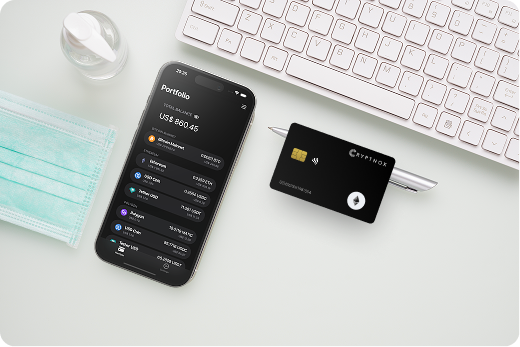
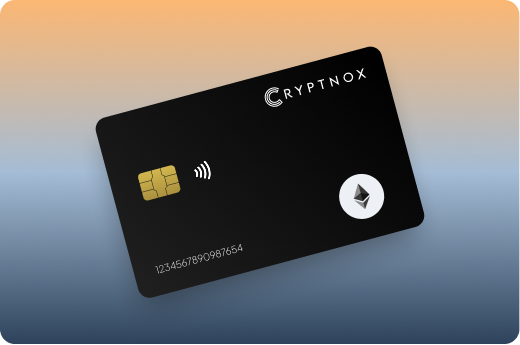
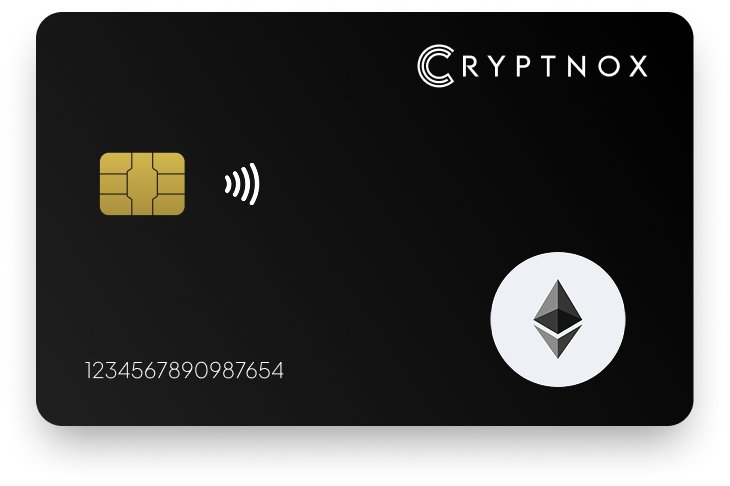
Introducing Cryptnox, the revolutionary hardware wallet designed to keep your digital assets safe, accessible, and fully under your control. Built on advanced smartcard technology, our wallets feature a secure dual-card backup system, biometric authentication, and seamless integration with MetaMask, WalletConnect, and Web3 apps. Whether you’re storing cryptocurrencies, swapping tokens, or diving into DeFi, Cryptnox delivers bank-level security without the complexity, empowering you to manage your portfolio with peace of mind.

Product Features

  • Dual-Card Backup System: Never lose access to your keys with our innovative dual-card setup, allowing secure initialization and recovery using any pair of Cryptnox cards.
  • Biometric Authentication: Add an extra layer of protection with built-in biometrics, ensuring only you can access your wallet.
  • FIDO2 Functionality: Now included with every card, enabling secure logins, consent adjustments, and more across compatible platforms.
  • Multi-Blockchain Support: Access a wide range of networks, including popular ones for DeFi and Web3 applications.
  • PIN/PUK Security: Robust credentials to prevent unauthorized access, with reset options available without compromising your seed.
  • BIP39 Compatibility: Easily import existing seeds or generate new ones for ultimate flexibility.

Product Specifications:

  • Security: Firmware audited by external cybersecurity firms; no personally identifiable data stored; prevents unauthorized access.
  • Integration: Works seamlessly with DeFi apps, Web3 platforms, MetaMask, and WalletConnect; supports iOS and Android apps via Apple Store and Google Play.
  • Delivery: Fast shipping worldwide; available directly from Cryptnox Shop or Amazon in DE, FR, IT, BE, SE, ES, PL, NL, CA, MX, AU.
  • Performance: High-security smartcard tech with quick response times and reliable connectivity. 

What It’s Built For:

Cryptnox hardware wallets are your go-to solution for:

  • Secure Storage: Safeguard your cryptocurrencies with hardware-level protection against hacks and theft.
  • DeFi and Web3 Access: Use your card for decentralized finance, NFTs, and other blockchain applications without exposing your keys.
  • Backup and Recovery: Perform dual-card setups for redundancy, or reset credentials if needed, all while maintaining control.
  • Multi-Account Management: Handle multiple wallets and seeds, including BIP39 imports, for diverse crypto portfolios.
  • Everyday Security: Leverage FIDO2 for secure logins, social sharing, and more in a user-friendly package
  • Specialized Tasks: From token swaps to analytics tracking, Cryptnox adapts to your crypto needs.

Why Cryptnox Stands Out:

This isn’t just a wallet it’s a fortress for your digital future. With no access to your keys by Cryptnox (we never store or see them), audited firmware for top-tier reliability, and global availability, our hardware empowers beginners and experts alike. Backed by comprehensive tutorials, blogs, technical resources, and 24/7 support, Cryptnox ensures you stay ahead in the crypto world with unmatched security, simplicity, and innovation.

Cryptnox Hardware Wallets – Your Gateway to Secure, User-Friendly Crypto Management.

Ready to secure your assets? Buy a Cryptnox Hardware Wallet now and protect your crypto with ease.

Hardware Wallet

Description

Ledger Nano X

Bluetooth premium with CC EAL6+ secure element. Supports 5,500+ assets including ETH/ERC-20. Mobile-friendly via Ledger Live for on-the-go DeFi and NFT management.

Ledger Nano S Plus

Budget USB-C wallet offering strong security and NFT/ERC-20 support. Compact and reliable for long-term Ethereum storage without Bluetooth connectivity.

Ledger Flex

Modern E-Ink touchscreen with NFC. Compact setup with secure recovery. Balances usability and protection for Ethereum transactions and smart contract signing.

Ledger Stax

Premium curved E-Ink display with wireless charging and magnetic design. Luxury feel for managing ETH, NFTs, and portfolios with persistent NFT display.

Trezor Safe 7

Top-rated open-source with Bluetooth, sharp touchscreen, and auditable secure chip. Excellent on-device verification for secure Ethereum signing and DeFi transactions.

Trezor Safe 3

Affordable open-source with EAL6+ secure element. Straightforward transparent firmware. Ideal entry-level for reliable ETH cold storage and ERC-20 management.

Tangem Wallet

NFC card-based system with no traditional seed phrase hassle. Battery-free, portable, and maintenance-free. Strong security for Ethereum with simple tap setup.

Ellipal Titan

Fully air-gapped metal wallet using QR codes only. Maximum isolation from online threats. Large touchscreen for safe offline Ethereum transactions and DeFi signing.

SafePal S1

Affordable air-gapped wallet with built-in camera for QR signing. Supports multi-chain including Ethereum/DeFi. Tamper-resistant design for budget-conscious users.

OneKey Pro

Touchscreen with fingerprint unlock, multiple EAL6+ chips, and air-gapped/Bluetooth options. Supports 30,000+ assets including ETH and NFTs with biometric security.

NGRAVE Zero

Ultra-premium air-gapped with biometric authentication and fireproof graphene backups. Highest security focus for high-value Ethereum holdings and institutional custody.

Keystone 3 Pro

Open-source air-gapped with large touchscreen and QR workflow. Strong DeFi/Ethereum support. Transparent firmware for users wanting auditable offline signing.

BitBox02

Swiss-made with open-source firmware and touch sensors. Clean interface and reliable security for Ethereum and altcoins. Minimalist design for straightforward custody.

D’CENT Biometric

Fingerprint sensor for convenient authentication. Supports 3,600+ cryptocurrencies including ETH. Compact and user-friendly for daily secure access to DeFi and tokens.

Understanding Ethereum-Specific Hardware Wallet Features


Ethereum’s smart contract architecture requires hardware wallets to do more than store private keys. Unlike Bitcoin’s simpler transaction model, Ethereum involves complex interactions with decentralized applications that demand careful verification. 


ERC-20 token management forms the foundation of Ethereum wallet functionality. Your hardware wallet must recognize thousands of token contracts and display accurate balances. The best devices automatically detect new tokens in your wallet and show their current values through integrated price feeds.


NFT display capabilities separate basic wallets from advanced options. Hardware wallets with screens can show your NFT artwork and metadata, helping you verify which specific token you’re transferring. Some models like Ledger Stax display NFTs even when powered off, combining security with collection showcase.


Smart contract interaction carries risks that hardware wallets mitigate. When you connect to a DeFi protocol, you’re often granting spending permissions for your tokens. Quality Ethereum wallets display these approval amounts clearly, letting you set limits on how much a contract can access. Always verify these permissions on your device screen before confirming.

Gas fee optimization saves money over time. Hardware wallets that support EIP-1559 show you base fees and priority fees separately. This transparency helps you choose appropriate fee levels and avoid failed transactions that still consume gas.


DeFi protocol signing requires multiple verification steps:

  • Confirming the contract address matches the intended platform
  • Reviewing token spending limits for approvals
  • Checking slippage tolerance on swaps
  • Verifying lending collateral ratios
  • Examining staking lockup periods

Layer 2 bridge security becomes critical when moving assets between networks. Hardware wallets protect you during bridge transactions by showing destination addresses and amounts clearly. This verification prevents bridge exploits where attackers redirect funds to wrong addresses.

MetaMask integration quality affects daily usability. The connection between your hardware wallet and MetaMask determines how smoothly you interact with DeFi platforms. Ledger Live offers native Ethereum features including direct swaps and staking, reducing dependence on external interfaces.

WalletConnect support enables dApp connections without browser extensions. This protocol lets you integrate hardware wallets with dApps through QR codes or deep links. Most modern hardware wallets support WalletConnect and Cryptnox card security for secure dApp access from mobile devices.

Multi-signature wallet compatibility matters for shared custody. Hardware wallets that work with Gnosis Safe allow multiple devices to co-sign transactions, distributing risk across several locations and owners.


Security Models for Ethereum Cold Storage


Hardware wallet security architectures fall into three main categories, each offering different trade-offs between protection and convenience. Understanding these models helps you choose the right balance for your Ethereum cold storage needs.


Air-gapped wallets maintain complete isolation from internet-connected devices. Models like ELLIPAL Titan, NGRAVE Zero, Keystone 3 Pro, and SafePal S1 never connect via USB, Bluetooth, or NFC. These devices use QR codes to receive transaction data and broadcast signed transactions. This approach eliminates attack vectors from malware, malicious cables, and compromised host computers. The metal-cased ELLIPAL offers physical tamper resistance, while NGRAVE’s graphene backup plates protect seed phrases from fire damage.


Bluetooth-enabled wallets provide mobile convenience without exposing private keys. Ledger Nano X, Trezor Safe 7, and OneKey Pro use encrypted Bluetooth connections to communicate with phone apps. Private keys remain isolated inside secure chips during wireless transmission. This design suits users who manage DeFi positions on the go or prefer mobile-first portfolio management. Bluetooth adds convenience for frequent traders while maintaining offline key storage.


NFC card-based options maximize portability without batteries. Tangem, Cryptnox, and Ledger Flex use near-field communication for authentication and signing. These thin card wallets fit in regular wallets and require no charging. The tap-to-sign workflow simplifies Ethereum transactions while keeping private keys isolated in secure elements. Card wallets work well for users who want hardware security without carrying USB devices.


Secure element chips provide certified tamper resistance. Ledger’s CC EAL6+ certification, also used in Trezor Safe series and Tangem, meets banking-industry security standards. These chips resist physical attacks, side-channel analysis, and voltage manipulation. Multiple secure chips in OneKey Pro distribute key components across separate processors, requiring compromise of all chips to extract private keys. 


Open-source firmware enables community security audits. Trezor Safe 7, Trezor Safe 3, BitBox02, and Keystone 3 Pro publish their code publicly. Security researchers can examine the software for vulnerabilities and verify that devices perform as claimed. This transparency builds trust for users who want auditable security, though it requires hardware protections since code is visible to attackers too. Learn more about the Ledger vs Trezor comparison for open-source considerations.


Biometric authentication adds a convenience layer:

  • NGRAVE Zero uses fingerprint scanning for device unlock
  • OneKey Pro incorporates fingerprint sensors alongside secure elements
  • D’CENT Biometric provides quick access while maintaining hardware security
  • Biometrics supplement PIN codes rather than replacing seed phrase backups


Fireproof backup solutions protect against physical disasters. NGRAVE’s graphene recovery plates withstand extreme temperatures that would destroy paper or metal punch systems. This protection matters for users in areas prone to fires or storing backups in safety deposit boxes. Consider reading about backing up your hardware wallet for comprehensive recovery strategies.


The security model you choose depends on your usage patterns. Frequent DeFi users often prefer Bluetooth or NFC for easier access, while long-term holders managing significant value typically select air-gapped options. Maximum security requires air-gapped devices with open-source firmware and biometric authentication, though this combination significantly increases cost.


Using Hardware Wallets with Ethereum DeFi and NFTs


Connecting your hardware wallet to Ethereum DeFi platforms requires proper setup to maintain security. MetaMask serves as the primary bridge between hardware devices and decentralized applications, letting you sign transactions without exposing private keys.


MetaMask connection setup takes just a few minutes. Install the MetaMask browser extension, select “Connect Hardware Wallet,” and choose your device type. For USB wallets, plug in your device and unlock it. For Bluetooth models like Ledger Nano X, enable pairing in your device settings. MetaMask displays your Ethereum accounts, and you select which addresses to import. Always verify addresses on your hardware wallet screen before confirming.


DeFi transaction signing follows a consistent workflow across platforms. When you swap tokens on Uniswap or supply liquidity to Curve, MetaMask prompts you to review transaction details. These details then appear on your hardware wallet screen for physical confirmation. Check the destination contract address, token amounts, and gas fees on your device before approving. This two-step verification prevents malicious websites from altering transaction parameters.


Token spending approvals require extra caution. DeFi protocols request permission to move your tokens through ERC-20 approval transactions. Your hardware wallet shows these approval amounts separately from actual transfers. Set reasonable limits rather than infinite approvals, for example, approve only the amount you plan to swap immediately. This practice limits damage if a protocol gets exploited later. Understanding what cryptodrainers are helps you recognize approval-based attacks. 


NFT marketplace transactions work similarly to token swaps. When listing an NFT on OpenSea or making an offer, your hardware wallet displays the token ID and collection address. Verify this information matches the NFT you intend to trade. Some hardware wallets like Ledger Stax show NFT artwork directly on screen, making verification easier. Always confirm the receiving address for sales to prevent sending valuable NFTs to wrong destinations.


Ledger Live native DeFi integration simplifies common operations. The Ledger Live app includes built-in swaps, staking, and lending without requiring MetaMask. This reduces attack surface by eliminating browser extension risks. You can swap ETH for ERC-20 tokens, stake with protocols like Lido, and supply to lending markets directly through Ledger’s secure interface.


Layer 2 network setup expands your options:

  • Add Arbitrum, Optimism, or Base networks in MetaMask settings
  • Fund Layer 2 accounts through official bridge interfaces
  • Verify bridge destination addresses on hardware wallet screen
  • Test with small amounts before bridging significant value
  • Keep some ETH on mainnet for emergency withdrawals


WalletConnect integration enables mobile dApp access. Scan QR codes from decentralized applications using your hardware wallet’s companion app. This method works for card-based wallets like Cryptnox and Tangem that lack traditional browser connections. WalletConnect sessions remain active until you disconnect, so close connections after completing transactions.


Gas fee optimization saves money on frequent transactions. Hardware wallets that display EIP-1559 fees show base fee and priority fee separately. During low network activity, reduce priority fees to minimum levels. For non-urgent transactions, queue them during weekends when gas prices typically drop. Failed transactions still consume gas, so verify sufficient ETH balance before approving complex DeFi operations.


Revoking token approvals protects against compromised protocols. Use tools like Revoke.cash while connected to your hardware wallet to cancel unlimited spending permissions. Review and revoke approvals for protocols you no longer use or that have suffered exploits. This maintenance prevents old approvals from becoming security vulnerabilities.


Testing procedures prevent costly mistakes. Securely transfer cryptocurrency to your hardware wallet by starting with small amounts first when setting up new DeFi positions. Verify that tokens arrive correctly and that you can withdraw before committing significant capital. This applies especially to Layer 2 bridges and new protocol deployments where bugs may exist.


Best Ethereum Hardware Wallets by User Type


Different Ethereum users need different hardware wallet features based on their usage patterns and priorities. This breakdown helps you match devices to your specific requirements.


Budget-conscious beginners should consider Ledger Nano S Plus, Trezor Safe 3, or SafePal S1. These entry-level options provide strong security without premium features. Ledger Nano S Plus offers USB-C connectivity and full ERC-20 support at an accessible price point. Trezor Safe 3 delivers open-source transparency with EAL6+ secure element protection. SafePal S1’s air-gapped design gives maximum security for users willing to work with QR codes. Learn more about how to use hardware wallets to get started.


Mobile-first users need portable solutions with smartphone compatibility. Ledger Nano X provides Bluetooth connectivity for iOS and Android. Tangem and Cryptnox offer card-based NFC wallets that fit in regular wallets, no cables or charging required. Ledger Flex combines NFC capability with an E-Ink touchscreen for expanded functionality. These devices suit users who manage portfolios on the go or prefer mobile DeFi access.


DeFi power users benefit from wallets with native protocol integration. Ledger Nano X works with Ledger Live’s built-in swaps and staking features. Trezor Safe 7 offers sharp touchscreen verification for complex transaction details. OneKey Pro supports 30,000+ assets with fingerprint authentication for quick repeated access. These features streamline frequent DeFi interactions while maintaining security.


NFT collectors need devices that display artwork and metadata. Ledger Stax shows NFTs on its curved E-Ink display even when powered off. Ledger Flex provides touchscreen NFT viewing in a compact form factor. OneKey Pro includes NFT gallery features alongside biometric security. Large touchscreens help verify specific tokens before transfers, preventing costly mistakes with valuable collections.


Maximum security seekers prioritize isolation over convenience. ELLIPAL Titan eliminates all wireless connectivity through full air-gapping and metal casing. NGRAVE Zero adds biometric authentication and fireproof graphene backup plates. Keystone 3 Pro combines air-gapped security with open-source transparency for auditable protection. These wallets suit holders managing significant Ethereum value who accept less convenient workflows.


Long-term HODLers storing ETH for years need reliable offline custody:

  • ELLIPAL Titan’s metal construction resists physical damage
  • Trezor Safe 7’s open-source firmware ensures long-term support
  • Ledger Nano X provides secure element protection with regular updates
  • Air-gapped models avoid obsolescence from changing connectivity standards


Premium experience seekers willing to pay more get enhanced usability. Ledger Stax delivers curved E-Ink design with wireless charging and magnetic accessories. Trezor Safe 7 features sharp color touchscreen and Bluetooth. NGRAVE Zero provides biometric security in machined metal. OneKey Pro includes fingerprint sensors and multiple security chips. These devices combine protection with refined user experience.


Ultra-portable options minimize size and weight. Tangem and Cryptnox card wallets measure just millimeters thick. Ledger Flex brings touchscreen functionality to card form factor. These devices work for users who want hardware security without carrying traditional USB dongles. Battery-free NFC operation eliminates charging concerns during travel.


Open-source advocates value transparent, auditable firmware. Trezor Safe 7 and Safe 3 publish complete source code. BitBox02 provides Swiss-built quality with community-verified security. Keystone 3 Pro delivers large touchscreen with fully auditable firmware. Open-source models let security researchers verify operations independently, building trust through transparency rather than proprietary claims.


Multi-chain investors holding assets beyond Ethereum need broad compatibility. Ledger Nano X supports 5,500+ cryptocurrencies. OneKey Pro handles 30,000+ assets across multiple blockchains. D’CENT Biometric covers 3,600+ currencies with fingerprint access. Wide support prevents needing separate wallets for different chains while maintaining consistent security practices. Explore options for Bitcoin, Tron, and Fantom networks.


Biometric preference users want quick authentication without memorizing PINs. NGRAVE Zero, OneKey Pro, and D’CENT Biometric incorporate fingerprint sensors. Biometrics supplement recovery phrases rather than replacing them, you still need backup seeds if devices fail. This feature suits users making frequent transactions who want faster access without compromising security.


Choose card-based wallets for ultimate portability, USB dongles for desktop-first workflows, and touchscreen devices for complex transaction verification. Match your selection to actual usage patterns rather than maximum theoretical features. A simpler device used consistently provides better security than a feature-rich wallet that sits unused due to complexity. Understanding self-custody wallets helps you maintain full control of your Ethereum assets


Secure your Ethereum, ERC-20 tokens, and NFTs with Cryptnox’s portable NFC hardware wallet for tap-to-sign cold storage.

FAQs

The Cryptnox solution is a high-security hardware wallet based on the latest smartcard technology available
 A seed is either generated or injected as part of the initialization process, which makes it compatible with the BIP32 and BIP39 standards
When choosing the Dual Card Setup option, you can generate an identical seed in two cards in only seconds, and store the backup card in a safe place for recovery

A hardware wallet is a physical device designed to securely store private keys offline
Keeping sensitive data disconnected from the internet, it significantly reduces exposure to hacking, malware, and phishing attacks

Unlike software wallets that operate on internet-connected devices, hardware wallets isolate private keys in a secure environment
Transactions are signed internally, ensuring keys never leave the device or are exposed online

Yes! Hardware wallets are ideal for long-term asset protection
 Offline storage, durable hardware, and secure backup mechanisms make them well-suited for holding assets safely over extended periods

Access can be restored using a secure recovery process, typically based on a recovery phrase or backup solution created during setup
This ensures assets remain accessible even if the physical device is no longer available

Modern hardware wallets are designed with user-friendly interfaces and guided setup processes
This makes them accessible to beginners while still meeting the security standards required by advanced users