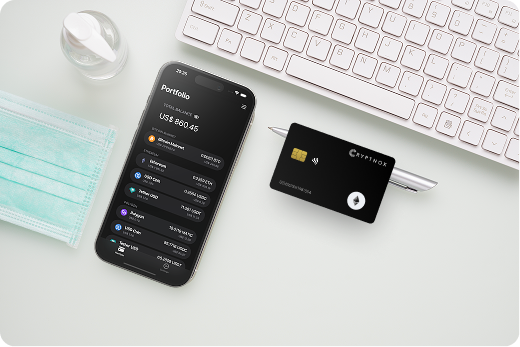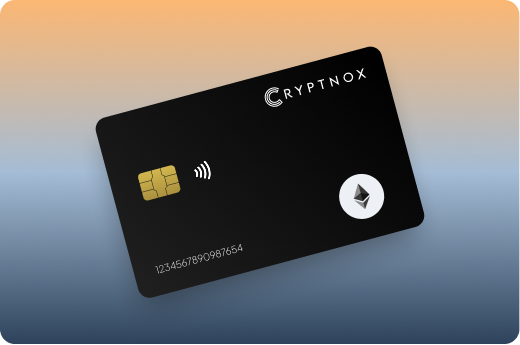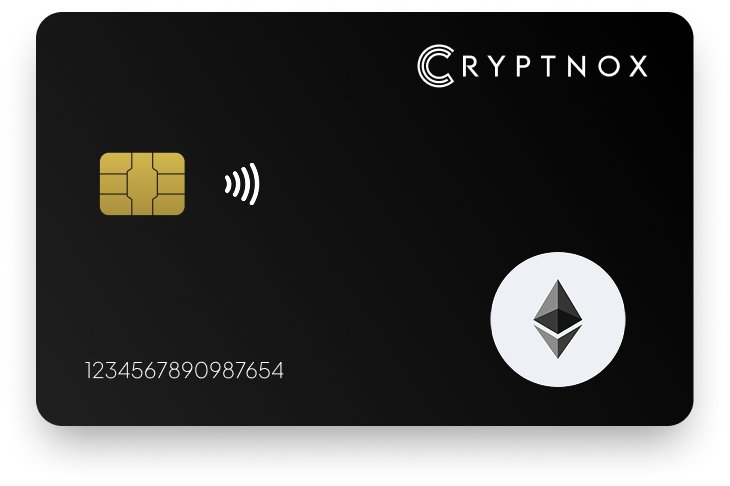
Secure Your Digital Assets with Confidence
Experience next-level protection for your digital assets with a premium hardware wallet built for security-first users
Designed around advanced encryption and a dedicated secure chip, it delivers robust offline storage while supporting a wide range of digital assets and ecosystems
The streamlined setup lets you get started in minutes, giving you access to true cold storage, reliable backup options, and full control over your assets
Engineered for performance and peace of mind, this hardware wallet is a trusted solution for anyone seeking long-term security beyond online threats
Buy it from CRYPTNOX shop directly
Accepts:
Keeps sensitive access data fully offline, protecting against online threats
Delivers a higher level of security compared to software-based solutions
Enables quick, secure actions while maintaining maximum protection
Introducing Cryptnox, the revolutionary hardware wallet designed to keep your digital assets safe, accessible, and fully under your control. Built on advanced smartcard technology, our wallets feature a secure dual-card backup system, biometric authentication, and seamless integration with MetaMask, WalletConnect, and Web3 apps. Whether you’re storing cryptocurrencies, swapping tokens, or diving into DeFi, Cryptnox delivers bank-level security without the complexity, empowering you to manage your portfolio with peace of mind.
Product Features
Product Specifications:
What It’s Built For:
Cryptnox hardware wallets are your go-to solution for:
Why Cryptnox Stands Out:
This isn’t just a wallet it’s a fortress for your digital future. With no access to your keys by Cryptnox (we never store or see them), audited firmware for top-tier reliability, and global availability, our hardware empowers beginners and experts alike. Backed by comprehensive tutorials, blogs, technical resources, and 24/7 support, Cryptnox ensures you stay ahead in the crypto world with unmatched security, simplicity, and innovation.
Cryptnox Hardware Wallets – Your Gateway to Secure, User-Friendly Crypto Management.
Ready to secure your assets? Buy a Cryptnox Hardware Wallet now and protect your crypto with ease.
Hardware Wallet | Description |
Ledger Nano X | Flagship Bluetooth wallet with EAL5+ chip supporting 5,500+ assets including ETH, NFTs, and Base dApps via Ledger Live and MetaMask. Excellent mobile support for Layer 2 with wireless connectivity for on-the-go Base transactions. |
Ledger Nano S Plus | Affordable USB-C model with high app storage capacity; ideal budget option for securely holding and managing ETH/Base tokens and NFTs. Reliable EVM compatibility for Base network interaction through MetaMask integration. |
Ledger Flex | Modern touchscreen wallet great for verifying Ethereum signatures and complex transactions; compact with strong usability for EVM chains. Clear display for reviewing Base smart contract interactions and dApp permissions. |
Ledger Stax | Premium curved e-ink touchscreen model with wireless charging; polished experience for ETH, NFTs, and multi-chain management including Base. Superior display quality for reviewing complex Base DeFi transactions with enhanced visibility. |
Trezor Safe 5 | Open-source with secure element and improved touchscreen; strong calldata display for safe ETH/DeFi verification on Ethereum and Base. Enhanced transaction decoding for complex smart contract interactions on Layer 2 networks. |
Trezor Safe 7 | Latest premium Trezor with Bluetooth, haptic feedback, and auditable chip; top-rated for overall security and multi-chain use including EVM. Advanced calldata verification for Base dApp interactions with superior transaction clarity. |
Trezor Model T | Touchscreen open-source classic; reliable for Ethereum with full calldata visibility and broad asset support. Proven track record for secure Base network transactions with transparent firmware and community-audited security. |
Trezor Model One | Entry-level affordable open-source wallet; solid, transparent security for ETH and EVM-compatible networks. Basic but effective Base support through MetaMask with essential transaction verification features for budget-conscious users. |
OneKey Pro | Fully open-source high-end wallet with fingerprint, air-gapped mode, and wireless charging; supports 30,000+ assets including seamless Base/EVM operations. Biometric authentication adds extra security layer for Base DeFi interactions. |
OneKey Classic 1S | Budget-friendly open-source model with strong multi-chain signing; excellent for frequent ETH/Base users. Straightforward Base network connectivity with reliable transaction signing for daily Layer 2 operations and dApp usage. |
Tangem Wallet | Portable NFC card requiring no battery; simple tap-to-phone use for mobile Ethereum and EVM management. Perfect for beginners seeking convenient Base access with smartphone-based transaction signing and asset management. |
Keystone 3 Pro | Air-gapped QR-code open-source touchscreen wallet; supports multisig and secure ETH/Base transactions. Complete offline isolation eliminates network-based attack vectors for maximum Base asset protection with QR-based signing. |
Ellipal Titan 2.0 | Fully air-gapped metal wallet with large color screen; strong for ETH, NFTs, and multichain EVM including Base via QR. No USB or Bluetooth connectivity prevents physical and wireless attacks on your Base private keys. |
SafePal S1 | Low-cost QR/air-gapped wallet supporting 50+ blockchains; basic but effective for Ethereum and Base assets. Budget-friendly option for users seeking offline protection for Base Layer 2 holdings with simple QR transaction signing. |
Grid Lattice Plus | Best-in-class for EVM with superior transaction decoding and calldata visibility; ideal for complex DeFi/smart contracts on Ethereum/Base. Industry-leading display shows complete contract details, function calls, and permission requests for Base dApps. |
BitBox02 | Compact open-source wallet with secure chip; reliable and transparent for Ethereum storage and signing. Swiss-engineered security with minimalist design for straightforward Base network transactions and EVM-compatible asset management. |
SecuX V20 / W20 | Bluetooth/touchscreen models supporting 10,000+ tokens including full Ethereum and ERC-20; rugged and cross-platform. Durable construction with intuitive touchscreen for managing Base tokens, NFTs, and interacting with Layer 2 dApps. |
KeepKey | ShapeShift hardware wallet with Ethereum and custom EIP-155 (EVM) network support; good for Base via extensions. Large display provides clear transaction details with manual Base network configuration through compatible wallet software. |
D’CENT Wallet | Biometric fingerprint hardware wallet with native Base and Ethereum support; secure offline storage for EVM assets. Convenient fingerprint authentication for quick Base transaction approval while maintaining cold storage security standards. |
Base inherits Ethereum’s security while introducing Layer 2-specific considerations that impact how you should approach cold storage. The optimistic rollup architecture means transactions batch off-chain before settling on Ethereum mainnet, creating unique verification requirements for hardware wallet users.
Base transactions achieve finality in approximately 7 days when withdrawing to Ethereum mainnet, allowing time for fraud proofs to challenge invalid state transitions. During this period, your assets remain locked in the bridge contract. Hardware wallets protect you during both the deposit (Ethereum to Base) and withdrawal (Base to Ethereum) phases by requiring physical confirmation of bridge smart contract interactions, preventing malicious contracts from initiating unauthorized withdrawals. Cold storage wallets provide the strongest protection against these Layer 2-specific attack vectors.
The thriving Base ecosystem hosts thousands of DeFi protocols, NFT projects, and social applications, not all legitimate. Your hardware wallet serves as the final verification checkpoint before approving token allowances, NFT minting transactions, or liquidity pool deposits. Secure element chips (EAL5+ in Ledger devices, EAL6+ in Cryptnox) ensure your private keys never leave the device even when signing complex multi-step Base DeFi strategies involving multiple protocols.
Layer 2 networks don’t change the fundamental rule: control of your private keys means control of your assets. However, Base’s low transaction fees encourage higher transaction frequency compared to Ethereum mainnet, increasing exposure to phishing attempts and malicious dApps. Hardware wallets with biometric authentication (Cryptnox, OneKey Pro, D’CENT) add an extra verification layer, requiring fingerprint confirmation before signing any Base transaction regardless of the amount. Understanding what self-custody means becomes crucial for Layer 2 users maintaining control of their Base assets.
Your hardware wallet backup (typically 12-24 word seed phrase) recovers both Ethereum and Base holdings since they share the same private key derivation. The innovative dual-card backup system from Cryptnox provides redundancy specifically valuable for Layer 2 users: if one card fails while you have assets bridging to Base, your backup card immediately restores access without waiting for seed phrase metal plate retrieval. This matters more on Layer 2 networks where timing can affect DeFi positions, yield farming rewards, and NFT auction participation. Following proper hardware wallet backup practices ensures your Base assets remain recoverable in any scenario.
Setting up your hardware wallet for Base requires connecting it to compatible software that supports custom EVM networks. The process differs depending on your device, but the security principle remains constant: your hardware wallet signs transactions while the software broadcasts them to Base network.
MetaMask remains the most popular option for connecting hardware wallets to Base. After connecting your Ledger, Trezor, or other device via USB or Bluetooth, navigate to MetaMask’s network dropdown and select “Add network manually”. Enter Base’s network details: Network Name (Base), RPC URL (https://mainnet.base.org), Chain ID (8453), Currency Symbol (ETH), and Block Explorer (https://basescan.org). After saving, switch to Base network and your hardware wallet will sign all transactions on Layer 2 while MetaMask handles the broadcast.
Ledger users benefit from integrated Base accounts directly in Ledger Live without MetaMask. Create a Base account in Ledger Live Desktop or Mobile Android to send and receive ETH with your private keys secured in your Ledger device. For tokens beyond ETH and broader Base dApp access, use the Zerion dApp inside Ledger Live to view and manage Base tokens, NFTs, and DeFi positions while maintaining hardware wallet protection for all transaction signatures.
Popular Base DeFi platforms like Aerodrome (decentralized exchange), Moonwell (lending protocol), and Seamless (money market) support WalletConnect for hardware wallet users. Visit the dApp, click “Connect Wallet,” select WalletConnect, and scan the QR code with your mobile wallet app or use the desktop connection. Your hardware wallet prompts you to confirm each transaction including token swaps, liquidity additions, collateral deposits, and borrowing operations. Review the recipient address, token amounts, and gas fees on your device screen before approving. Understanding WalletConnect security helps Base users protect their assets during dApp interactions.
Zora, Base’s leading NFT platform, and OpenSea’s Base integration allow hardware wallet users to mint, buy, and sell NFTs securely. When minting a new NFT, your hardware wallet displays the contract address (verify it matches the official project contract), the ETH amount, and transaction gas. For NFT purchases, verify the token ID, collection contract, and payment amount on your device. The low gas fees on Base make NFT collecting more accessible, but hardware verification prevents counterfeit collection scams targeting new Base users.
If your hardware wallet isn’t detecting Base transactions, confirm these settings: (1) Base network is selected in your wallet software, (2) your hardware wallet firmware is updated to the latest version, (3) Ethereum app is installed and opened on your device, and (4) contract data/blind signing is enabled if required. Ledger users experiencing issues should update to the latest Ledger Live version as Base support is actively being enhanced with each release.
Base’s explosive growth centers around accessible DeFi and creator-focused NFTs, making hardware wallet security essential for users managing significant value in protocols and digital collectibles. The network’s 1 million daily active addresses demonstrate mainstream adoption requiring consumer-friendly yet secure storage solutions.
Hardware wallets secure interactions with Base’s top DeFi platforms without compromising on usability. Aerodrome, Base’s largest DEX, processes billions in trading volume where hardware wallet users confirm each token swap, liquidity provision, and reward claim on their device screen before execution. When adding liquidity to Aerodrome pools, your wallet verifies both token amounts and the pool contract address, preventing liquidity drain attacks that target software wallet users. Moonwell and Seamless lending protocols benefit from hardware protection during collateral deposits and loan management where transaction errors could trigger liquidations.
DeFi on Base frequently involves multi-step transactions: approve token spending, deposit collateral, borrow against it, swap borrowed assets, and provide liquidity, all in one interaction. Hardware wallets with superior transaction decoding like Grid Lattice Plus break down these complex calls into human-readable steps, showing exactly which protocols receive permissions and what they can do with your tokens. Standard hardware wallets might display only the contract address and ETH value, requiring you to trust the dApp’s interface accurately represents the transaction. Best Ethereum hardware wallets typically offer strong Base compatibility since both networks share EVM architecture.
Base has emerged as a creator-focused chain with significantly lower minting costs than Ethereum mainnet. Hardware wallets protect NFT collectors from malicious mint contracts that request excessive permissions or drain approved tokens. When minting on Zora or Base-native projects, your device shows the contract address (cross-reference with official project links), mint price, and quantity. For secondary market purchases, verify the collection contract matches the legitimate project, counterfeit collections with similar names target Base’s growing NFT community.
Friend.tech and similar Base social applications require frequent micro-transactions for key purchases, messages, and social interactions. NFC-enabled hardware wallets like Cryptnox excel in this environment, offering tap-to-approve transactions via smartphone without repeatedly plugging in USB devices. The convenience matches software wallets while maintaining cold storage security, your private keys never touch the phone or computer processing the Base transactions. This physical crypto wallet approach balances accessibility with security for active Base users.
Base’s low gas fees (often under $0.10 per transaction) enable strategies impractical on Ethereum mainnet, like frequent portfolio rebalancing and yield optimization. Hardware wallets don’t impede these strategies despite requiring physical confirmation; modern devices with Bluetooth (Ledger Nano X, Trezor Safe 7, OneKey Pro) remain connected for rapid transaction approval sessions. Adjust gas prices directly in MetaMask while your hardware wallet signs the modified transaction, allowing you to optimize fees even during Base network congestion without compromising security.
Understanding what you’re signing represents the most critical security practice when using hardware wallets on Base. Layer 2 networks make DeFi interactions affordable enough for frequent use, but this increased transaction volume demands reliable verification tools to prevent authorization of malicious smart contracts.
Every Base transaction includes calldata, the encoded instructions telling smart contracts which functions to execute and with what parameters. When you interact with a Base dApp, the interface shows one thing (“Swap 100 USDC for ETH”) while the underlying calldata might request unlimited token approvals or call additional contracts. Hardware wallets that decode calldata reveal the actual function name (like swapExactTokensForTokens), token addresses, amounts, and recipient. Without this visibility, you’re blind signing based solely on trusting the dApp interface isn’t compromised or malicious.
Grid Lattice Plus sets the standard for EVM transaction visibility, displaying complete calldata breakdown including nested function calls common in Base DeFi aggregators. Trezor devices (Safe 5, Safe 7, Model T) show readable function signatures and parameters, alerting users when transactions involve delegate calls or contract deployments. Ledger’s newer models with larger screens (Flex, Stax) decode ERC-20 token transfers and common DeFi patterns, though complex aggregator transactions may still show raw hex data requiring manual verification. Comparing options like Ledger vs Trezor helps you choose based on transaction verification capabilities.
Blind signing, approving transactions without seeing decoded calldata, poses severe risks on Base where contract interactions form the majority of transaction volume. A malicious Base dApp could display “Mint NFT for 0.01 ETH” while the transaction actually approves unlimited USDC spending to an attacker’s contract. Hardware wallets that require clear signing for all transactions force manual review or rejection of suspicious contracts, though this may inconvenience users during legitimate complex DeFi operations requiring trusted blind signing for specific protocols.
Before approving any Base transaction on your hardware wallet: (1) verify the contract address matches official documentation, (2) check if token approvals grant unlimited or specific amounts, (3) confirm the recipient address for sends and swaps, (4) review gas fees for reasonableness (extremely high gas suggests complex or suspicious operations), and (5) use transaction simulators like Tenderly to preview outcomes before signing. These steps take seconds but prevent the majority of smart contract exploits targeting hardware wallet users who assume device ownership alone guarantees security. Understanding what cryptodrainers are helps recognize attack patterns specific to Base and other EVM networks.
If you’ve accidentally approved a malicious contract on Base, immediate action can limit losses. Use your hardware wallet to revoke token approvals through Etherscan’s token approval checker (set allowance to zero) or revoke.cash. For ongoing attacks, consider securely transferring cryptocurrency to a fresh wallet address derived from your hardware wallet’s next account index. The same seed phrase generates multiple accounts, if attackers compromise your first Base address through approved contracts, your other addresses remain secure for emergency asset rescue operations.
Protect your Base Layer 2 assets with Cryptnox’s professional-grade hardware wallet featuring dual-card backup and EAL6+ security certification designed specifically for Base ecosystem security.
The Cryptnox solution is a high-security hardware wallet based on the latest smartcard technology available A seed is either generated or injected as part of the initialization process, which makes it compatible with the BIP32 and BIP39 standards When choosing the Dual Card Setup option, you can generate an identical seed in two cards in only seconds, and store the backup card in a safe place for recovery
A hardware wallet is a physical device designed to securely store private keys offline Keeping sensitive data disconnected from the internet, it significantly reduces exposure to hacking, malware, and phishing attacks
Unlike software wallets that operate on internet-connected devices, hardware wallets isolate private keys in a secure environment Transactions are signed internally, ensuring keys never leave the device or are exposed online
Yes! Hardware wallets are ideal for long-term asset protection Offline storage, durable hardware, and secure backup mechanisms make them well-suited for holding assets safely over extended periods
Access can be restored using a secure recovery process, typically based on a recovery phrase or backup solution created during setup This ensures assets remain accessible even if the physical device is no longer available
Modern hardware wallets are designed with user-friendly interfaces and guided setup processes
This makes them accessible to beginners while still meeting the security standards required by advanced users