Finding the best hardware wallet for Cardano ensures your ADA holdings remain secure while earning staking rewards. Hardware Wallets for ADA provide cold storage protection with private keys stored offline, enabling you to participate in Cardano’s proof-of-stake network without compromising security. Discover the Best Hardware Wallet for Cardano
Secure your Cardano holdings today with the Cryptnox hardware wallet – Cryptnox
What to Look for in a Cardano Hardware Wallet
Selecting a hardware wallet for ADA storage requires evaluating several technical specifications and compatibility features. Not all hardware wallets support Cardano natively, and staking capabilities vary significantly between devices.
Essential Features for Cardano Hardware Wallets
- Native Cardano support with staking integration: The wallet must support ADA transactions and enable delegation to stake pools without transferring assets to third-party platforms
- Secure element chip certification: Look for EAL5+ or EAL6+ Common Criteria certification, which indicates rigorous testing against physical and software attacks. EAL6+ chips undergo more comprehensive evaluation and provide bank-grade or military-grade protection.
- Compatibility with Cardano wallet interfaces: Hardware Wallets should connect seamlessly with Yoroi, Daedalus, or Eternl (formerly CCVault) to manage ADA and access staking features
- Backup and recovery mechanisms: Multiple backup options, including seed phrases, dual-card systems, Shamir backup, or multi-signature key shares, protect against device loss or failure
- Multi-chain portfolio support: Since many ADA holders diversify across blockchains, hardware wallets supporting Ethereum, Bitcoin, and other networks maximize utility
Connectivity and Form Factor Considerations
Hardware wallets offer different connection methods that affect usability:
- USB connectivity: Direct connection to computers for desktop wallet interfaces like Daedalus
- Bluetooth: Wireless pairing with mobile devices for on-the-go management
- NFC technology: Tap-to-connect functionality using smartphones, particularly convenient for card-shaped wallets
- QR code scanning: Air-gapped wallets that never connect to internet-enabled devices for maximum security isolation
Top 15 Best Hardware Wallets for Cardano (ADA) in 2026
1. Cryptnox – Best Hardware Wallet for Cardano in 2026
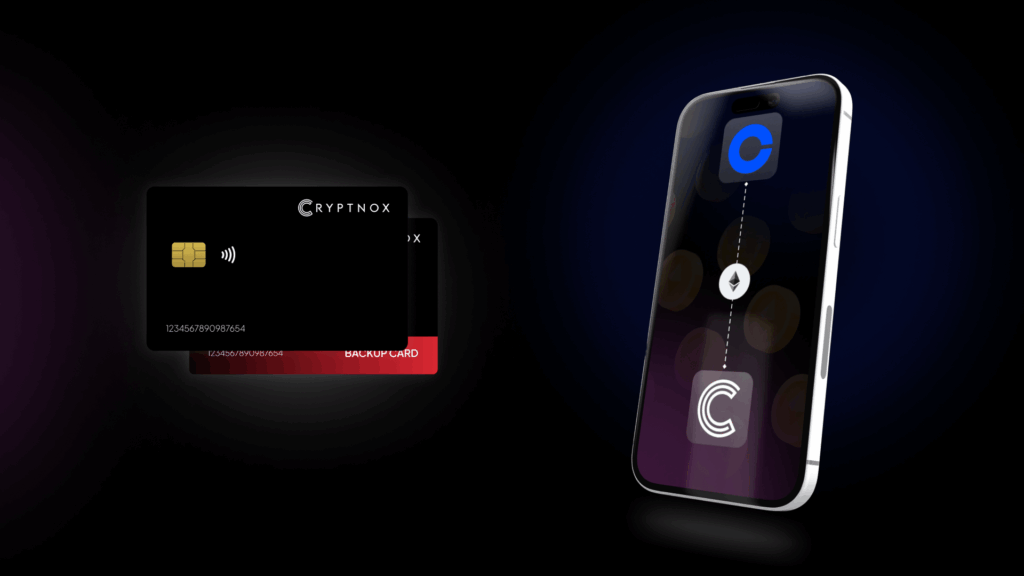
Introducing Cryptnox, the revolutionary hardware wallet designed to keep your digital assets safe, accessible, and fully under your control. Built on advanced smartcard technology, our wallets feature a secure dual-card backup system, biometric authentication, and seamless integration with MetaMask, WalletConnect, and Web3 apps. Whether you’re storing cryptocurrencies, swapping tokens, or diving into DeFi, Cryptnox delivers bank-level security without the complexity, empowering you to manage your portfolio with peace of mind.
Product Features
- Dual-Card Backup System: Never lose access to your keys with our innovative dual-card setup, allowing secure initialization and recovery using any pair of Cryptnox cards.
- Biometric Authentication: Add an extra layer of protection with built-in biometrics, ensuring only you can access your wallet.
- FIDO2 Functionality: Now included with every card, enabling secure logins, consent adjustments, and more across compatible platforms.
- Multi-Blockchain Support: Access a wide range of networks, including popular ones for DeFi and Web3 applications.
- PIN/PUK Security: Robust credentials to prevent unauthorized access, with reset options available without compromising your seed.
- BIP39 Compatibility: Easily import existing seeds or generate new ones for ultimate flexibility.
Product Specifications:
- Security: Firmware audited by external cybersecurity firms; no personally identifiable data stored; prevents unauthorized access.
- Integration: Works seamlessly with DeFi apps, Web3 platforms, MetaMask, and WalletConnect; supports iOS and Android apps via Apple Store and Google Play.
- Delivery: Fast shipping worldwide; available directly from Cryptnox Shop or Amazon in DE, FR, IT, BE, SE, ES, PL, NL, CA, MX, AU.
- Performance: High-security smartcard tech with quick response times and reliable connectivity.
What It’s Built For:
Cryptnox hardware wallets are your go-to solution for:
- Secure Storage: Safeguard your cryptocurrencies with hardware-level protection against hacks and theft.
- DeFi and Web3 Access: Use your card for decentralized finance, NFTs, and other blockchain applications without exposing your keys.
- Backup and Recovery: Perform dual-card setups for redundancy, or reset credentials if needed, all while maintaining control.
- Multi-Account Management: Handle multiple wallets and seeds, including BIP39 imports, for diverse crypto portfolios.
- Everyday Security: Leverage FIDO2 for secure logins, social sharing, and more in a user-friendly package
- Specialized Tasks: From token swaps to analytics tracking, Cryptnox adapts to your crypto needs.
Why Cryptnox Stands Out:
This isn’t just a wallet it’s a fortress for your digital future. With no access to your keys by Cryptnox (we never store or see them), audited firmware for top-tier reliability, and global availability, our hardware empowers beginners and experts alike. Backed by comprehensive tutorials, blogs, technical resources, and 24/7 support, Cryptnox ensures you stay ahead in the crypto world with unmatched security, simplicity, and innovation.
Cryptnox Hardware Wallets – Your Gateway to Secure, User-Friendly Crypto Management.
Ready to secure your assets? Buy a Cryptnox Hardware Wallet now and protect your crypto with ease
2. Tangem Wallet
Tangem Wallet takes a unique approach with its credit card-shaped hardware wallet that uses NFC technology for tap-and-go transactions. The seedless design eliminates the need to write down recovery phrases, instead using multiple cards as backups, with each card containing your private keys protected by an EAL6+ security chip. Tangem recently integrated native Cardano staking through P2P.org validator infrastructure, allowing ADA holders to delegate directly within the Tangem app while maintaining full self-custody.
- Key features: NFC connectivity, seedless multi-card backup system, EAL6+ secure element, native Cardano staking support, mobile app for buying/selling and DeFi access, supports thousands of assets, ultra-portable card format
- Best for: Long-term cold storage, travelers seeking convenient portability, users who want simple staking without complex setup
- Pros: No battery or cables required, native ADA staking integration, highly portable, straightforward backup system, affordable entry price
- Cons: No physical screen for transaction verification, closed-source firmware raises some security concerns among advanced users
- Price: $54.90-$69.90
3. Ledger Nano X
The Ledger Nano X is Ledger’s flagship Bluetooth-enabled hardware wallet supporting over 5,000 cryptocurrencies including Cardano. With an EAL5+ secure element chip and Ledger Live app integration, users can manage ADA holdings, stake through supported providers, and track portfolio performance from mobile devices or desktop computers. The compact design balances portability with a screen for transaction verification.
- Key features: Bluetooth and USB-C connectivity, EAL5+ secure chip, 5,000+ coin support, Ledger Live app for staking and portfolio management, rechargeable battery, OLED display
- Best for: ADA stakers wanting mobile management, multi-coin portfolio holders, users familiar with Ledger ecosystem
- Pros: Reputable brand with established security track record, Bluetooth convenience for mobile use, comprehensive Ledger Live interface, native Cardano staking through third-party integrations
- Cons: Closed-source firmware, premium pricing compared to entry-level options, smaller screen than touchscreen competitors
- Price: ~$99
4. Trezor Model T
Trezor Model T sets the benchmark for open-source hardware wallet security with a vibrant color touchscreen interface supporting more than 8,500 coins. Compatible with Cardano through Trezor Suite and third-party wallets like Eternl, the Model T enables ADA staking, trading, and portfolio management. Advanced features include Shamir backup for splitting recovery seeds, CoinJoin privacy, FIDO2 authentication, and GPG encryption.
- Key features: Color touchscreen display, USB-C connectivity, Shamir backup capability, open-source architecture, 8,500+ coin support, Trezor Suite integration, Cardano staking compatibility
- Best for: Open-source advocates, advanced users prioritizing transparency, ADA holders seeking comprehensive security features
- Pros: Fully open-source code and community auditing, intuitive touchscreen interface, Shamir backup adds redundancy, strong reputation in crypto community
- Cons: No secure element chip (uses general-purpose MCU), premium pricing tier, larger physical footprint
- Price: ~$129
5. Trezor Safe 3
The Trezor Safe 3 offers an affordable entry point into Trezor’s open-source ecosystem with EAL6+ secure element protection. USB-C connectivity and support for Cardano staking through Trezor Suite make it accessible for beginners while maintaining bank-grade security standards. PIN and passphrase protection provide multiple authentication layers.
- Key features: EAL6+ certified secure element chip, USB-C connectivity, open-source firmware, Cardano staking support, compact design, PIN/passphrase protection
- Best for: Entry-level crypto users, budget-conscious ADA holders, those prioritizing open-source security on a budget
- Pros: EAL6+ chip at affordable price point, open-source transparency, NDA-free certification allowing public security discussion, trusted Trezor brand
- Cons: Smaller display than Model T, basic feature set compared to premium models, USB-only connectivity
- Price: $79
6. Ledger Stax
Ledger Stax represents Ledger’s premium offering with a distinctive E-ink touchscreen display providing excellent readability and unique customization options. Bluetooth and USB-C connectivity support wireless and wired management of thousands of assets including Cardano through Ledger Live ecosystem integration. The curved design and larger display enhance usability for frequent transactions.
- Key features: E-ink touchscreen display, Bluetooth/USB-C connectivity, 5,000+ asset support including Cardano, Ledger Live integration, secure element chip, premium build quality
- Best for: Users wanting premium hardware experience, frequent traders needing clear display, collectors valuing design aesthetics
- Pros: Innovative E-ink display technology, wireless Bluetooth convenience, comprehensive Ledger ecosystem, ADA staking capabilities
- Cons: Significantly higher price point ($399), closed-source firmware, premium cost may exceed needs for basic storage
- Price: ~$399
7. SafePal S1
SafePal S1 delivers budget-friendly air-gapped security using QR code transaction signing to eliminate any direct connection to internet-enabled devices. Supporting over 30,000 coins including Cardano with staking capabilities, the S1 features an EAL6+ chip and self-destruct mechanism that activates if tampering is detected. The credit card-sized design makes it highly portable for travelers.
- Key features: Air-gapped security via QR codes, EAL6+ secure element, 30,000+ coin support, Cardano staking, self-destruct anti-tamper mechanism, USB-C charging, compact size
- Best for: Budget-conscious holders prioritizing security isolation, travelers needing portable cold storage, users managing high-value ADA holdings
- Pros: Affordable price point, air-gapped architecture prevents online attacks, broad coin compatibility, self-destruct protection
- Cons: QR code scanning less convenient than direct connectivity, interface and firmware updates lag behind competitors, smaller display
- Price: $49.99
8. OneKey Pro
OneKey Pro targets security-focused users with four EAL6+ secure chips, fingerprint verification, and complete open-source architecture. Supporting more than 30,000 coins with Bluetooth, USB-C, and NFC connectivity, it offers versatile pairing options for Cardano management. Encrypted passphrases and wireless charging add premium features for multi-chain users.
- Key features: Four EAL6+ secure element chips, fingerprint authentication, Bluetooth/USB-C/NFC connectivity, 30,000+ coin support including Cardano, open-source firmware, wireless charging, encrypted passphrase storage
- Best for: Security-conscious ADA holders, multi-chain portfolio managers, users wanting fingerprint convenience
- Pros: Exceptional security with multiple secure chips, open-source transparency, versatile connectivity options, fingerprint biometric protection
- Cons: Bulkier than competitors, premium pricing, rapid firmware verification process may require technical understanding
- Price: ~$278
9. ELLIPAL Titan 2.0
ELLIPAL Titan 2.0 emphasizes complete air-gapped isolation with no USB, Bluetooth, or Wi-Fi connectivity, using QR code scanning exclusively for transaction signing. The large touchscreen and support for over 10,000 coins and NFTs including Cardano make it suitable for managing diverse portfolios. Anti-tamper design and SD card firmware updates maintain offline security.
- Key features: Fully air-gapped design, large touchscreen display, QR code transaction signing, 10,000+ coin/NFT support, Cardano staking capabilities, anti-tamper case, SD card firmware updates
- Best for: High-value ADA holdings requiring maximum security isolation, paranoid users eliminating all wireless attack vectors
- Pros: Complete physical isolation from online threats, large screen improves usability, anti-tamper protection, supports Cardano native tokens and NFTs
- Cons: Not fully open-source, no Bluetooth convenience, QR code workflow slower than direct connectivity, and premium pricing
- Price: ~$169
10. Cypherock X1
Cypherock X1 introduces a seedless multi-signature architecture with 2-of-5 key share distribution across physical cards, eliminating single points of failure. The EAL6+ secure element in each card provides bank-grade protection, while WalletConnect integration enables Cardano DeFi participation. The audited open-source design offers transparency with institutional-grade security.
- Key features: Seedless 2-of-5 multi-sig key shares, EAL6+ secure element chips, four physical cards, Cardano and DeFi support via WalletConnect, audited open-source code, USB connectivity
- Best for: Users wanting redundancy beyond single device, paranoid holders distributing key shares geographically, DeFi participants on Cardano
- Pros: Multi-signature eliminates single point of failure, EAL6+ bank-grade chips, open-source and audited, WalletConnect enables dApp access
- Cons: More complex setup than traditional seed phrase wallets, requires managing multiple physical cards, higher price for redundancy features
- Price: $129
11. SecuX V20
SecuX V20 offers mid-tier touchscreen convenience with Bluetooth connectivity for managing a wide variety of coins including Cardano. PIN protection and encrypted storage secure private keys, while the mobile and desktop app support staking and portfolio tracking. The balance of features and affordability makes it accessible for intermediate users.
- Key features: Touchscreen interface, Bluetooth connectivity, broad coin support including Cardano, PIN protection, encrypted secure element, mobile/desktop app compatibility
- Best for: Intermediate users wanting touchscreen ease, mobile ADA management, multi-coin holders on moderate budget
- Pros: Touchscreen simplifies navigation, Bluetooth convenience, reasonable price point, supports Cardano staking through third-party integration
- Cons: Less brand recognition than Ledger/Trezor, smaller user community, closed-source firmware
- Price: ~$139
12. Ledger Flex
Ledger Flex extends the Ledger ecosystem with a flexible display design supporting over 5,000 assets including Cardano. Integration with Ledger Live enables staking, trading, and secure management of ADA holdings alongside other cryptocurrencies. The premium build quality and established Ledger security infrastructure appeal to users invested in the Ledger ecosystem.
- Key features: Flexible display technology, 5,000+ asset support, Cardano staking integration, Ledger Live ecosystem, secure element protection, USB-C connectivity
- Best for: Ledger ecosystem users wanting premium hardware, ADA stakers using Ledger services, users valuing brand reputation
- Pros: Innovative display design, comprehensive Ledger Live features, established security track record, native Cardano support
- Cons: High price point ($249), closed-source firmware, limited availability compared to Nano series
- Price: ~$249
13. Trezor Model One
The Trezor Model One serves as the beginner-friendly entry point into Trezor’s open-source ecosystem, supporting major cryptocurrencies including Cardano through Trezor Suite and third-party wallets. Simple button navigation and straightforward setup make it accessible for first-time hardware wallet users seeking reliable security without advanced features.
- Key features: Open-source firmware, USB connectivity, major coin support including Cardano, button navigation, Trezor Suite compatibility, compact design
- Best for: First-time hardware wallet users, budget-conscious beginners, ADA holders wanting simple cold storage
- Pros: Most affordable Trezor option, open-source transparency, straightforward interface, trusted brand reputation
- Cons: Basic display and navigation, no touchscreen, no secure element chip, limited advanced features
- Price: ~$49
14. D’CENT Biometric
D’CENT Biometric integrates fingerprint authentication directly into the hardware wallet, supporting Cardano among 1,000+ assets with a portable OLED display. The biometric security layer adds convenience beyond PIN codes while maintaining offline key storage. Mobile app connectivity enables on-the-go ADA management and staking.
- Key features: Fingerprint biometric authentication, OLED display, 1,000+ asset support including Cardano, secure element chip, Bluetooth connectivity, mobile app integration
- Best for: Users prioritizing biometric convenience, mobile-first ADA management, travelers seeking secure portability
- Pros: Fingerprint authentication faster than PIN entry, portable design, Bluetooth mobile pairing, Cardano staking capabilities
- Cons: Biometric sensor adds complexity, moderate price point, smaller ecosystem compared to Ledger/Trezor
- Price: ~$159
15. Keystone 3 Pro
Keystone 3 Pro delivers advanced air-gapped security with a large touchscreen interface and QR code transaction signing for multi-chain portfolios including Cardano. Shamir backup splits recovery phrases across multiple shares, while passphrase protection adds encryption layers. The balance of security isolation and usability appeals to experienced crypto holders.
- Key features: Air-gapped via QR codes, large touchscreen display, multi-chain support including Cardano, Shamir backup capability, passphrase encryption, rechargeable battery, open-source firmware
- Best for: Advanced ADA holders wanting air-gapped security, users implementing Shamir backup redundancy, multi-chain portfolio managers
- Pros: Complete online isolation via air-gap, large touchscreen improves usability, Shamir backup adds redundancy, open-source transparency
- Cons: QR code workflow less convenient, higher learning curve, premium features increase price
- Price: ~$129
How to Choose the Right Hardware Wallet for Cardano
Selecting the optimal hardware wallet for cryptocurrency depends on your specific use case, technical comfort level, and security priorities. ADA holders should first determine whether they need native Cardano staking support or can use wallet bridges like Yoroi and Eternl that connect hardware wallets to staking interfaces.
Decision Framework for ADA Holders
Consider your primary use case when evaluating options:
- Large ADA holdings for staking: Prioritize air-gapped security (ELLIPAL Titan 2.0, SafePal S1, Keystone 3 Pro) or multi-signature redundancy (Cypherock X1) to protect significant value safeheron
- Active DeFi participation: Choose wallets with WalletConnect integration (Cryptnox, Cypherock X1) enabling seamless dApp connectivity while maintaining cold storage security
- Multi-chain portfolios: Select hardware wallets supporting diverse blockchain networks like Polygon, Avalanche, and Arbitrum (Cryptnox, OneKey Pro, Ledger series) to manage ADA alongside other assets
- Mobile-first management: Bluetooth-enabled devices (Ledger Nano X, D’CENT Biometric, SecuX V20) or NFC cards (Tangem, Cryptnox) facilitate smartphone-based ADA transfers and staking
Security Certification Priorities
The secure element chip certification directly impacts protection against physical and software attacks. EAL6+ certification indicates more rigorous testing than EAL5+, with comprehensive formal verification and broader attack simulations. Wallets like Cryptnox, Tangem, Trezor Safe 3, SafePal S1, and OneKey Pro feature EAL6+ chips providing bank-grade or military-grade security.
Open-source firmware allows community security audits and transparent code review, appealing to users who value verifiability over proprietary systems. Trezor models, OneKey Pro, and Keystone 3 Pro offer fully open-source architectures, while Ledger and Tangem use closed-source firmware.
Budget and Value Considerations
Hardware wallet prices range from $49 for basic models to $399 for premium devices. Entry-level options like Trezor Model One ($49) and SafePal S1 ($49.99) provide essential cold storage for crypto without advanced features. Mid-tier wallets ($79-$169) add touchscreens, biometric authentication, or enhanced connectivity. Premium devices ($249-$399) offer E-ink displays, wireless charging, or multiple secure chips but may exceed requirements for straightforward ADA storage and staking.
Balance cost against your holdings size, protecting substantial ADA portfolios justifies premium security features, while smaller amounts may not warrant flagship pricing.
Setting Up Your Hardware Wallet for ADA Storage
Once you’ve selected a Cardano-compatible hardware wallet, the setup process involves initializing the device, generating or importing keys, and connecting to Cardano wallet interfaces for staking and transfers. Most hardware wallets follow similar initialization workflows regardless of brand.
Initial Device Setup
- Unbox and verify authenticity: Check for tamper-evident seals and verify device authenticity through manufacturer verification processes to prevent supply chain attacks
- Generate new wallet or import existing seed: Create fresh private keys on the device or import an existing BIP32/BIP39 seed phrase from another Cardano wallet
- Secure your backup: Write down recovery phrases offline and store in multiple secure locations, or leverage alternative backup systems like dual-card setups or Shamir backup
- Set PIN and additional authentication: Configure PIN codes, biometric authentication, or passphrases to protect device access
Connecting to Cardano Wallet Interfaces
Hardware Wallets typically require companion software to interact with the Cardano blockchain. Popular interfaces include:
- Yoroi: Lightweight browser extension and mobile wallet supporting Ledger and Trezor hardware wallet integration for ADA staking.
- Daedalus: Full-node Cardano wallet providing comprehensive blockchain synchronization with hardware wallet support
- Eternl (formerly CCVault): Fast browser-based wallet offering hardware wallet connectivity for staking delegation, DeFi access, and NFT management
Connect your hardware wallet via USB, Bluetooth, or NFC depending on device capabilities, then follow the wallet interface prompts to pair and verify addresses. Always confirm receiving addresses on the hardware wallet’s screen before transferring cryptocurrency to prevent address substitution attacks.
Selecting and Delegating to Stake Pools
Cardano’s proof-of-stake mechanism allows hardware wallet users to delegate ADA to stake pools while maintaining full custody of private keys. Staked ADA remains liquid and can be transferred anytime without lock-up periods. When selecting stake pools, consider:
- Pool performance and uptime: Historical block production and reliability metrics
- Saturation levels: Oversaturated pools reduce rewards; aim for pools with room for growth
- Fee structure: Pool operator fees typically range from 0-5% plus fixed costs
- Mission alignment: Some pools support specific causes or contribute to Cardano ecosystem development
Delegation takes effect after two epochs (approximately 10 days), with rewards distributed automatically every five days and compounding through re-staking.
Hardware Wallet Security for Proof-of-Stake Holders
Cardano’s proof-of-stake architecture introduces unique security considerations compared to proof-of-work blockchains. Understanding how hardware wallets protect staking keys and delegation certificates helps maximize security while participating in network validation.
Private Key Management for Staking
Cardano uses two types of keys relevant to hardware wallet security:
- Payment keys: Control ADA transfers and spending, stored in the hardware wallet’s secure element
- Delegation keys: Authorize stake pool delegation without requiring payment key signatures
This separation means you can delegate staking without exposing spending keys, and hardware wallets sign delegation certificates on-device to prevent unauthorized pool changes. Your staked ADA never leaves your control and remains spendable at any time, distinguishing Cardano staking from locked staking models on other blockchains.
Protecting Staking Rewards
Staking rewards accumulate directly to your wallet address and automatically compound through continued delegation. Hardware wallets secure these rewards identically to your principal holdings, private keys remain offline in the secure element regardless of reward accrual. This non-custodial approach eliminates counterparty risk associated with exchange staking where platforms control both your ADA and rewards.
Cold Storage Benefits vs Exchange Custody
Storing ADA on exchanges vs wallets exposes your holdings to platform hacks, insolvency, and loss of private key control. Hardware Wallets providing cold storage keep private keys completely offline and immune to remote attacks. While exchanges offer convenience, the security trade-off becomes critical for substantial holdings or long-term staking strategies.
A tiered storage approach balances security and convenience: maintain large ADA holdings and staking positions in hardware wallet cold storage, while keeping smaller amounts on exchanges only for active trading. This limits exposure if any single wallet or platform is compromised.
Best Practices for Long-Term ADA Holders
Implementing comprehensive security practices extends beyond choosing a hardware wallet to encompass backup strategies, transaction verification, and ongoing security maintenance. Long-term Cardano holders should adopt multiple layers of protection.
Backup and Recovery Strategies
Never store backup phrases digitally or in cloud services where they become vulnerable to online attacks. Physical backup options include:
- Metal seed phrase storage: Engrave recovery words on fireproof and waterproof metal plates for disaster resistance
- Geographic distribution: Store backup copies in multiple secure physical locations to prevent loss from single-point failures like fires or theft
- Multi-signature redundancy: Hardware wallets like Cypherock X1 distribute key shares across multiple cards, requiring 2-of-5 shares to recover funds youtube
- Dual-card systems: Solutions like Cryptnox’s dual-card backup create paired devices ensuring recovery even if one card is lost or damaged
Test recovery procedures periodically with small amounts to verify backup integrity before needing emergency restoration.
Transaction Verification Protocols
Always verify receiving addresses on your hardware wallet’s physical screen before confirming transfers. Malware can substitute addresses in software interfaces, but hardware wallets display addresses generated from keys stored in the secure element, providing cryptographic proof of correctness. This screen verification prevents sending ADA to attacker-controlled addresses. support.nu
When delegating to stake pools or interacting with DeFi protocols, confirm transaction details on the hardware wallet screen including:
- Destination addresses and pool IDs
- Transaction amounts and fees
- Smart contract interactions and permissions
Never approve transactions blindly through software prompts without hardware confirmation.
Firmware and Security Updates
Keep hardware wallet firmware updated to patch security vulnerabilities and add protocol support for Cardano upgrades. Most manufacturers release security updates periodically, enable notifications and apply patches promptly. Firmware updates typically require connecting to manufacturer software while the device is unlocked, so verify authenticity of update sources to prevent malicious firmware installation.
Monitor announcements from Cardano Foundation and IOHK regarding protocol upgrades like Plutus enhancements and Hydra scaling implementations that may affect wallet compatibility. Hardware wallet manufacturers generally push compatibility updates following major Cardano hard forks.
Avoiding Common Security Pitfalls
- Phishing prevention: Bookmark official wallet URLs and verify website certificates before entering sensitive information. Hardware wallets protect private keys even if you access fake sites, but phishing can still trick you into approving malicious transactions
- Fake wallet applications: Download wallet software only from official manufacturer sources or verified app stores. Third-party wallet implementations should be open-source and community-audited
- Social engineering: No legitimate support representative will ever ask for your seed phrase, PIN, or PUK codes. Hardware wallet manufacturers never contact users requesting sensitive information
- Public Wi-Fi risks: While hardware wallets keep keys offline, using public networks for wallet interfaces increases man-in-the-middle attack risks. Use VPNs or cellular data when managing ADA remotely
Start with small test transactions when trying new hardware wallets or wallet interfaces to confirm proper functionality before transferring large amounts.
FAQ
What is the best hardware wallet for Cardano (ADA)?
The best hardware wallet for Cardano depends on your priorities, but top choices include the Cryptnox hardware wallet for multi-chain portfolios with bank-level EAL6+ security, Tangem Wallet for portable NFC convenience with native staking, and Ledger Nano X for established ecosystem integration. Users prioritizing open-source transparency prefer Trezor Model T, while those wanting air-gapped isolation select ELLIPAL Titan 2.0 or SafePal S1.
Can I stake Cardano on a hardware wallet?
Yes, you can stake Cardano while keeping your ADA secured in a hardware wallet. Hardware Wallets connect to interfaces like Yoroi, Daedalus, or Eternl that enable delegation to stake pools without transferring private keys from the device. Your staked ADA remains under your full custody, never locked or frozen, and rewards accumulate automatically while maintaining cold storage security. Tangem recently added native Cardano staking directly within their app through P2P.org validator infrastructure.
Which hardware wallets support Cardano staking?
Multiple hardware wallets support Cardano staking including Ledger Nano X, Ledger Stax, Ledger Flex, Trezor Model T, Trezor Safe 3, Tangem Wallet (with native integration), SafePal S1, ELLIPAL Titan 2.0, OneKey Pro, Cypherock X1, D’CENT Biometric, and Keystone 3 Pro. These devices connect to Cardano wallet interfaces or support native staking features, allowing you to delegate ADA to stake pools while maintaining hardware-level security for your private keys.
Is it safe to store ADA on a hardware wallet?
Hardware Wallets provide the safest method for storing ADA by keeping private keys offline in secure element chips certified to EAL5+ or EAL6+ standards. Cold storage eliminates remote hacking risks that affect exchange custody and hot wallets, making hardware wallets ideal for long-term holdings and substantial ADA portfolios. Your keys remain protected even if your computer or smartphone is compromised, and you can participate in Cardano staking while maintaining full self-custody without trusting third-party platforms.
Secure your Cardano holdings today with the Cryptnox hardware wallet – bank-level security meets seamless multi-chain staking